Irma Stern
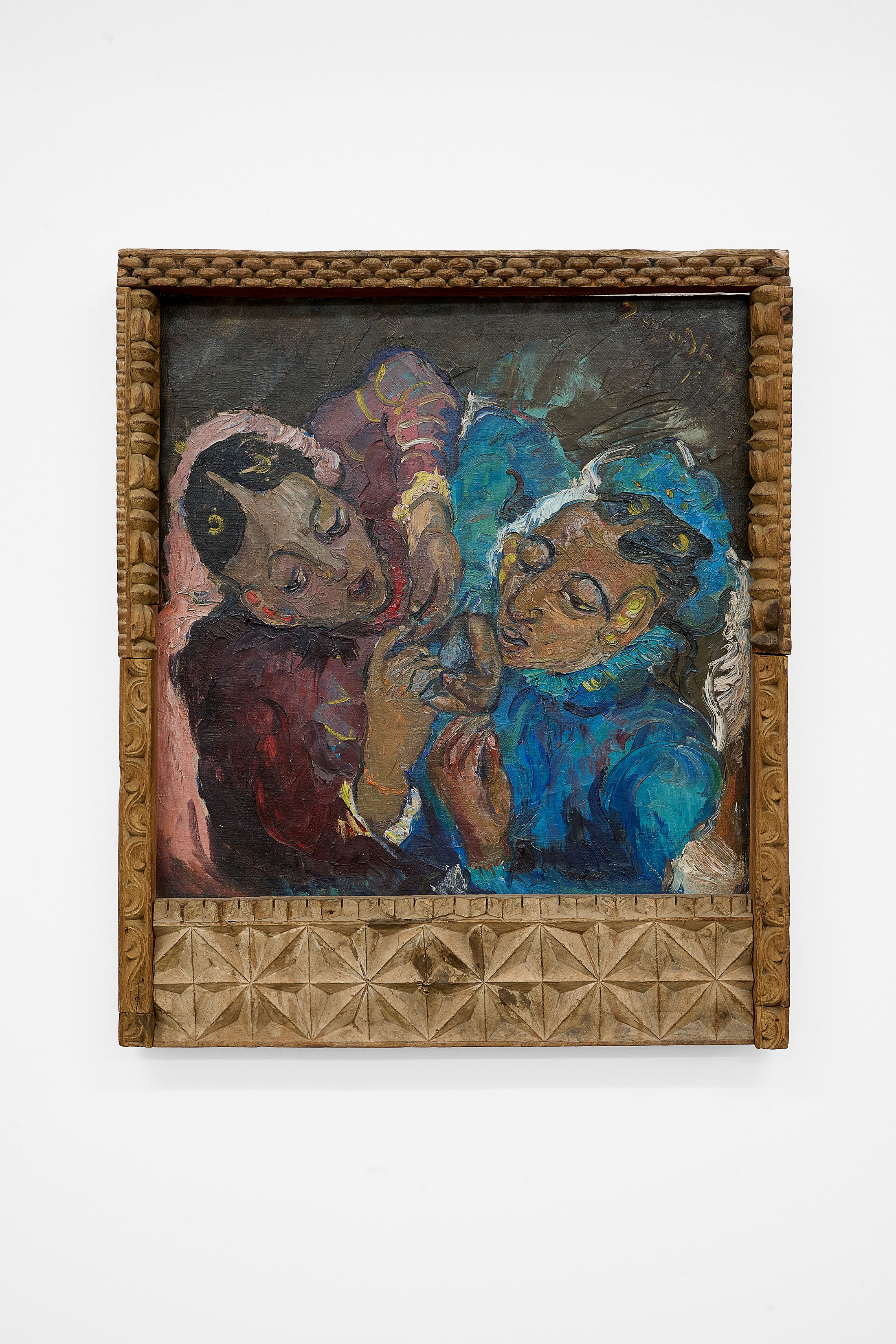
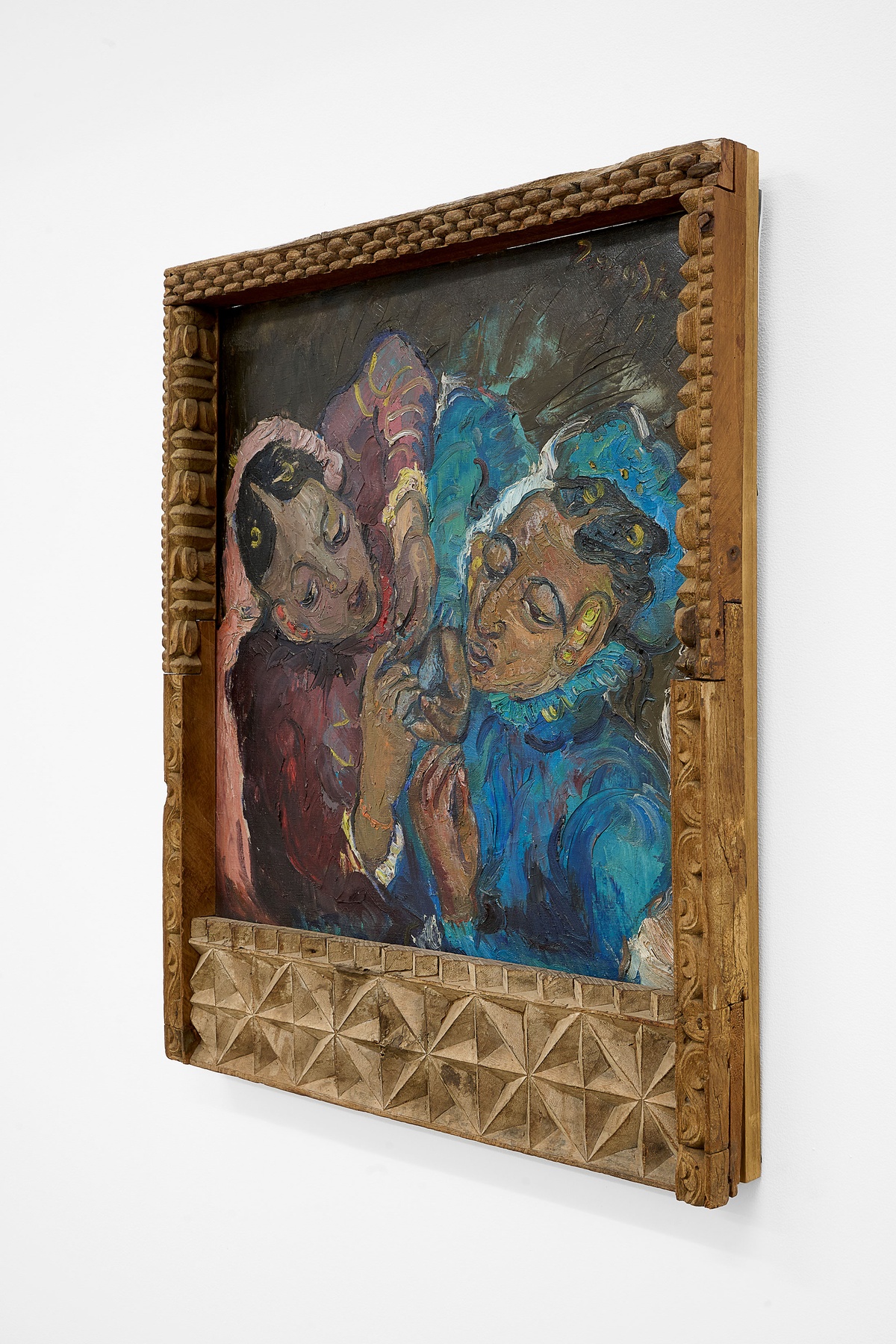
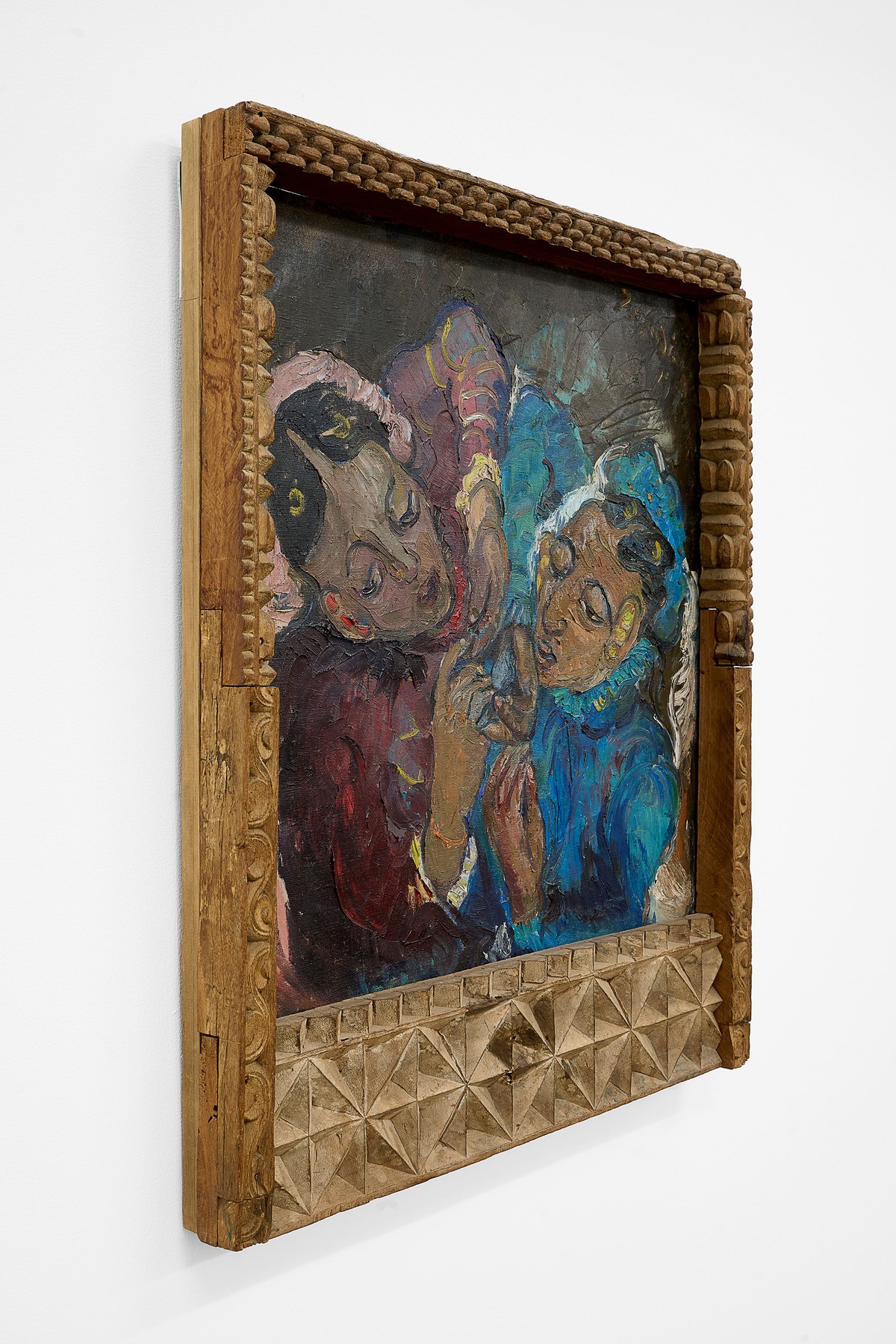
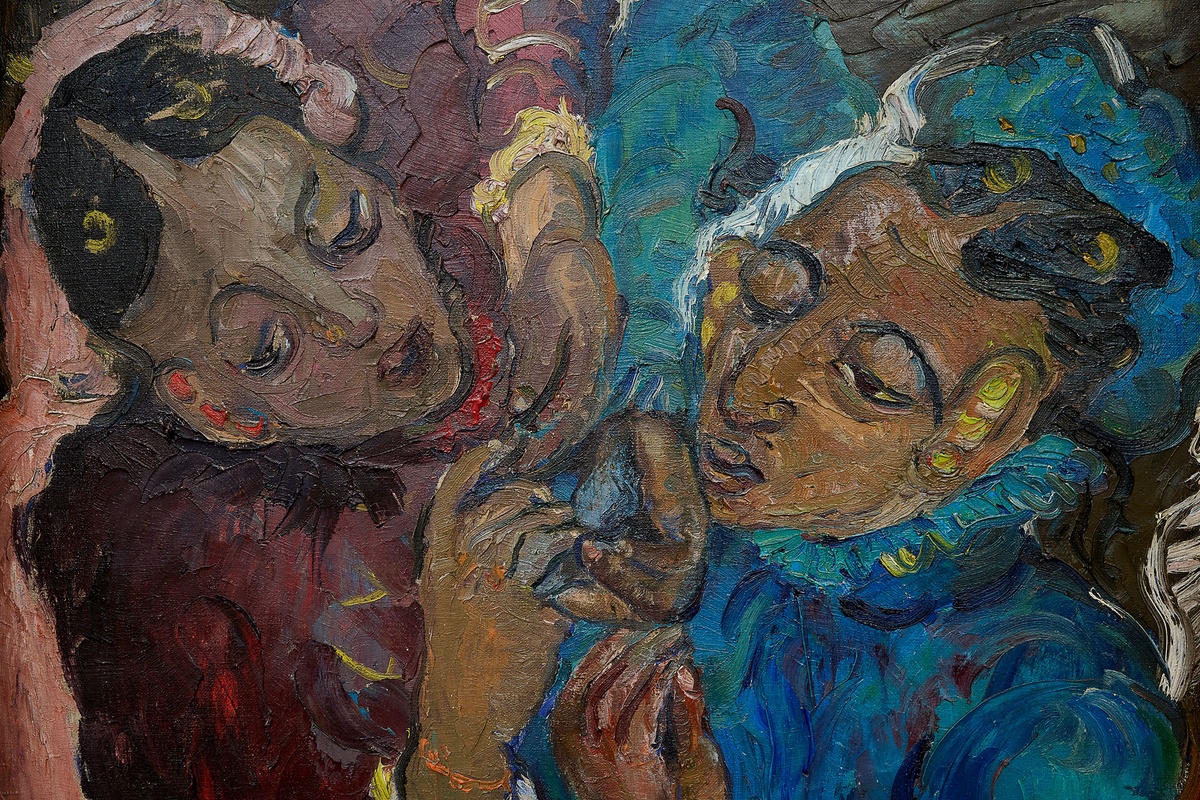
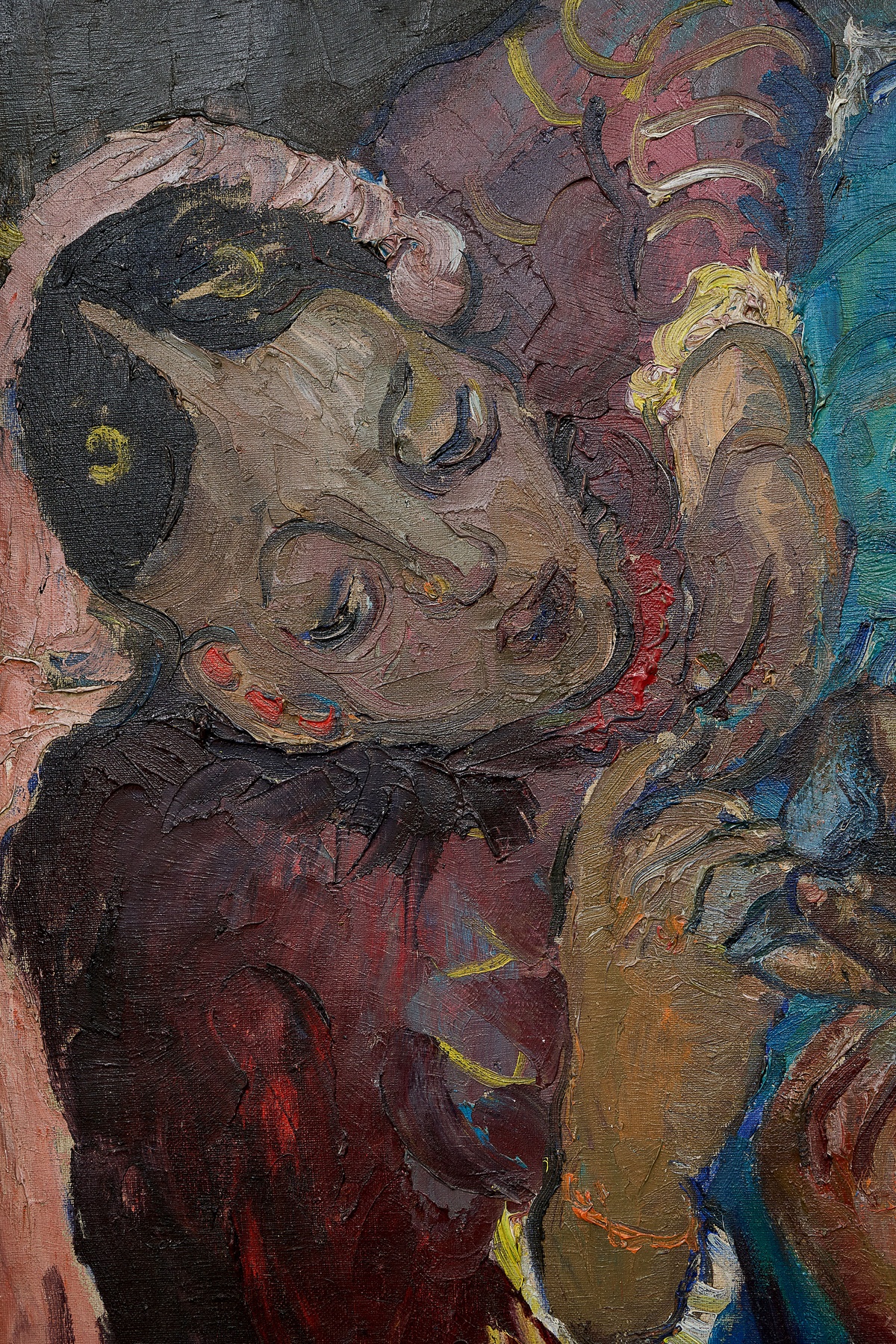
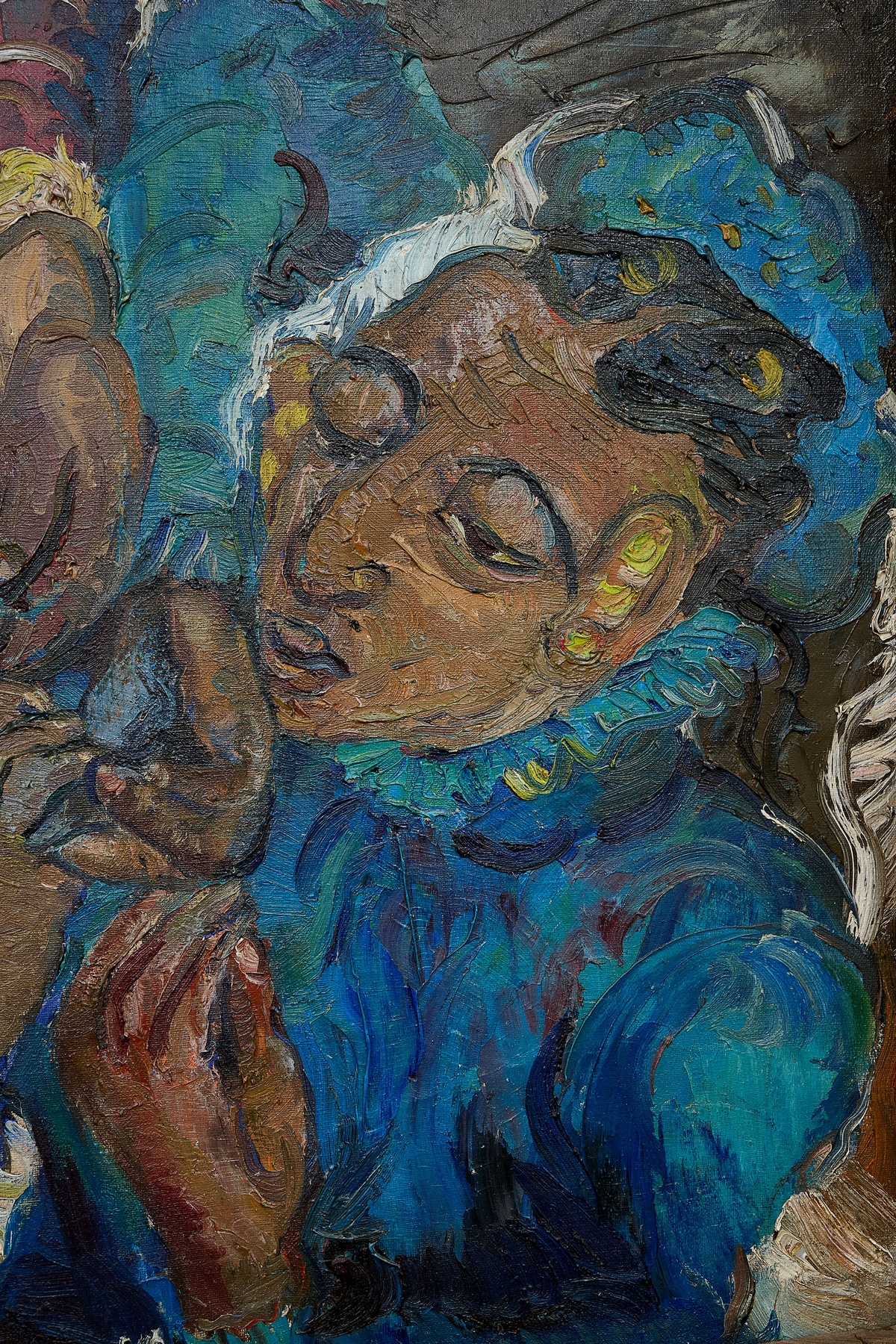
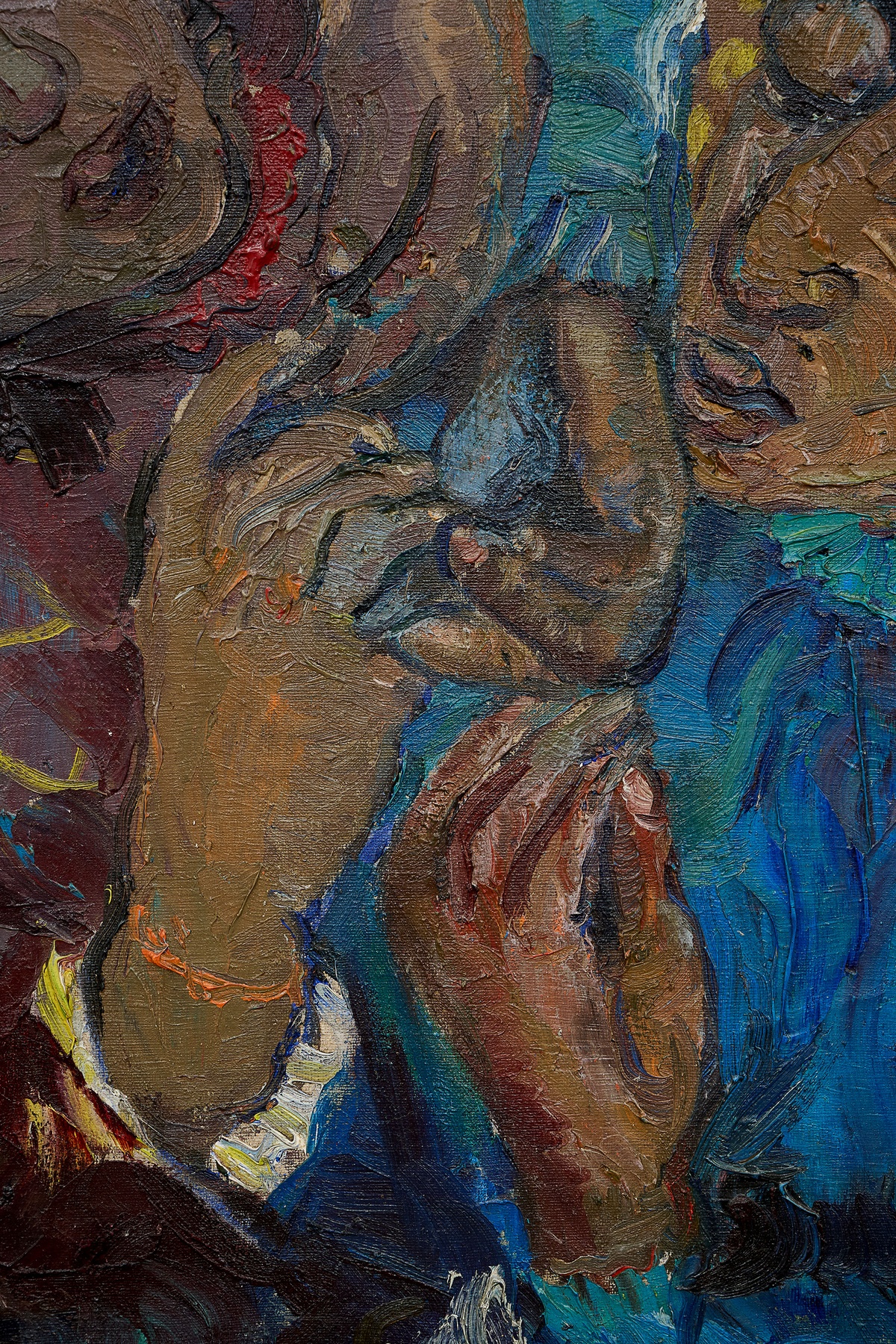
Arab Women Dance was painted during one of two trips Stern made to Zanzibar, the first in 1939 and the second in 1945. Between visits to the Tanzanian archipelago, she travelled to what was then the Belgian Congo. “These three journeys,” as Neville Dubow writes in his 1974 monograph on the artist, “gave her enough material and stimulus for a flood of creative work that marked her maturity and the high point of her career. It was almost as if everything until then had been in preparation for the release of sense impressions that the Congo and Zanzibar experience provided.” Stern’s paintings from the islands are notable for their chromatic subtlety and formal confidence, and for the presence of a certain gravity or complexity of being with which she endowed her subjects. Indeed, they appear more aligned with the portraits of her white friends and acquaintances – precisely described in all their particularities – than the generalising view with which she more often regarded her black sitters. To this, she told a reporter in 1946, “The Zanzibarians are not types – they are all people.” Her ambition to produce such individual resemblances in paint rubbed up against the islands’ religious proscriptions, which she undermined with apparent impunity. As literary scholar Joseph Sachs notes in his 1942 monograph on Stern: “It is almost impossible to get any Arabs to sit for her: their religion precludes them having any images or likenesses in existence. But thanks to influence, persuasion and subterfuge, she contrived to paint both the aristocratic and the plebeian Arabs of both sexes.”
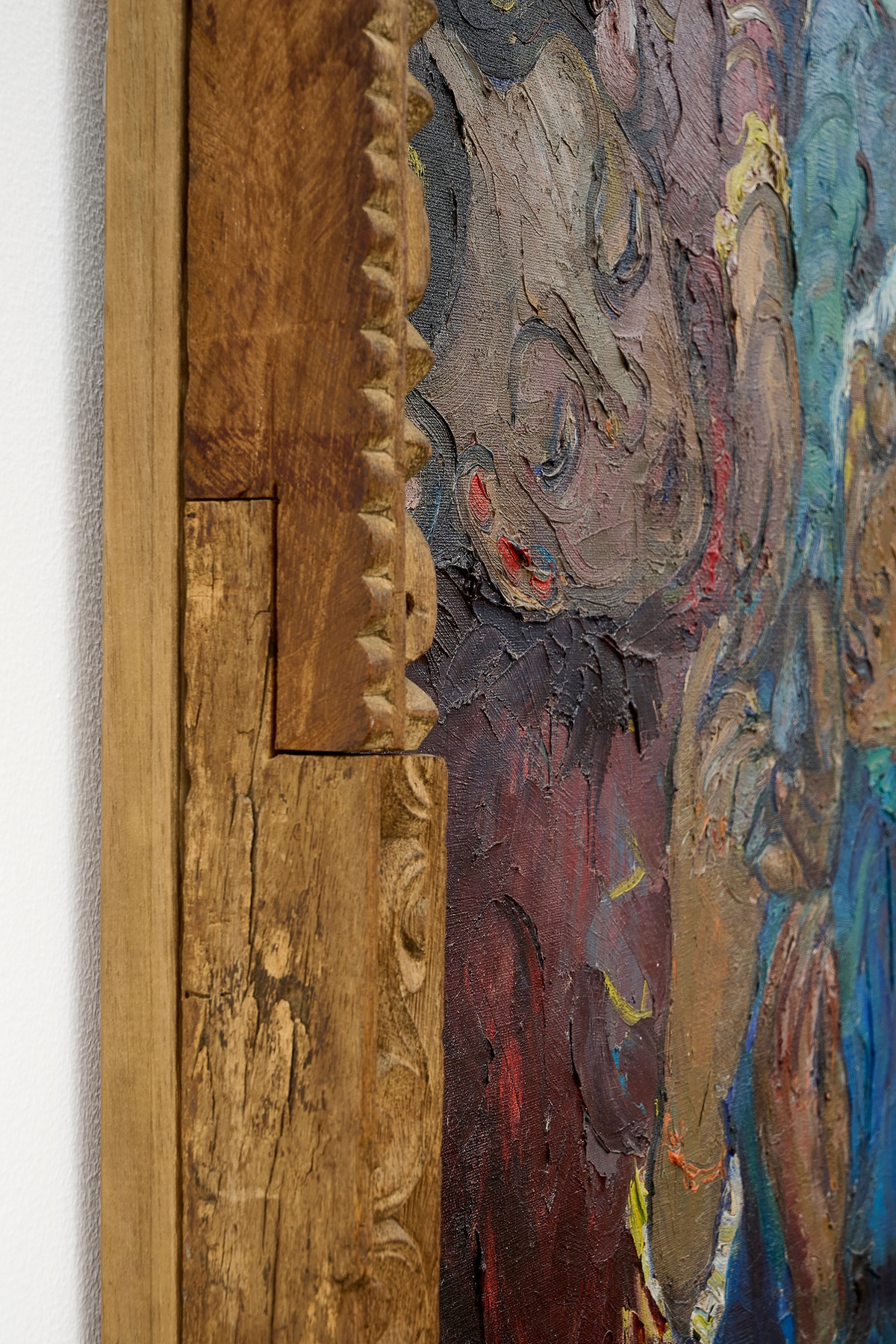
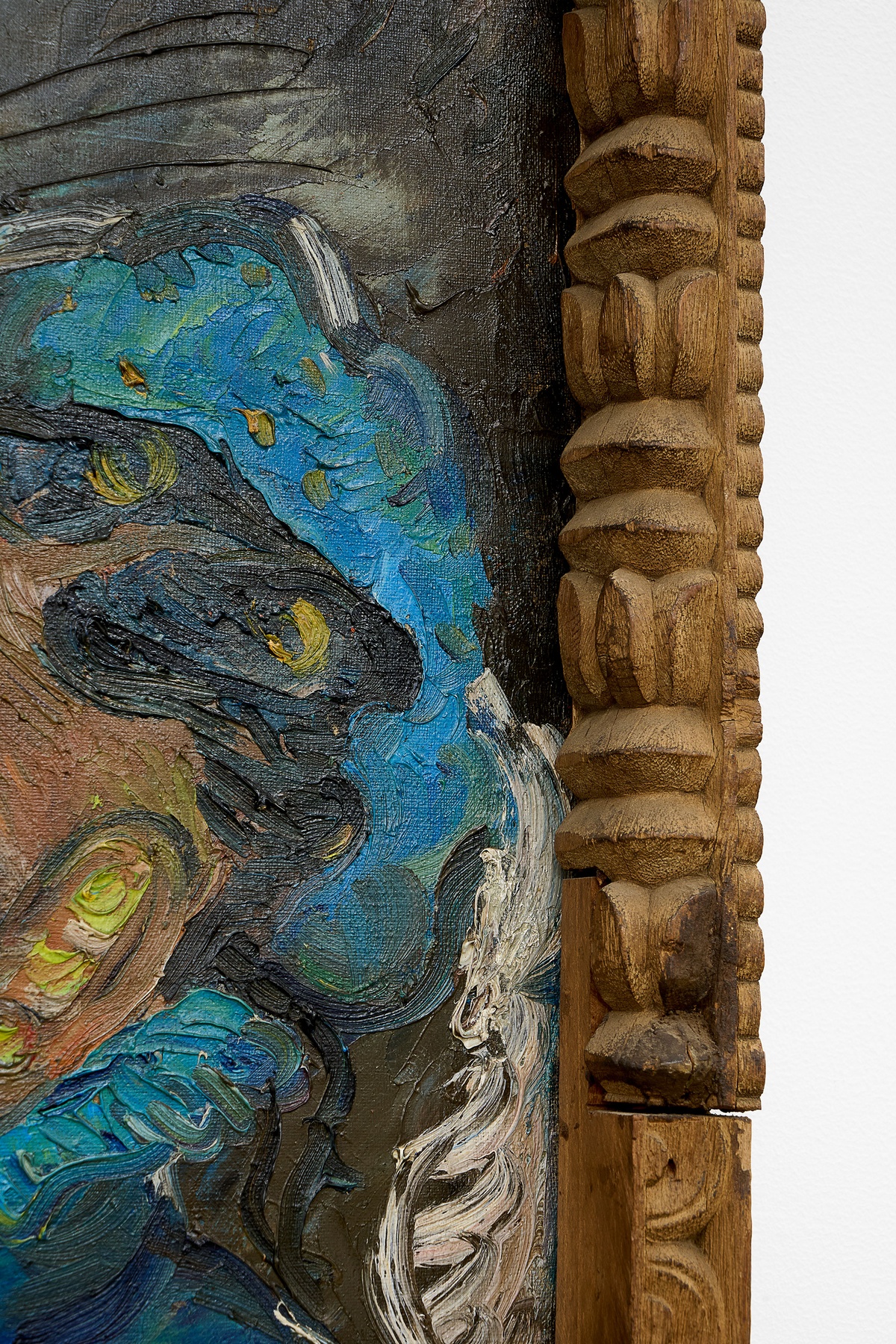
Like many of Stern’s works from this period, Arab Women Dance is bordered by a distinctive Zanzibar frame, made from salvaged fragments of ornamental door lintels and edgings. Characteristic of the islands’ Islamic woodcarvings and decorative traditions, the frame enfolds an outsider’s rendering of a place and its people in the material culture of the setting in which it was made.
b.1894, Schweizer-Reneke; d.1966, Cape Town
Throughout her life, Irma Stern pursued visions of the exotic. She travelled widely in both Europe and Africa and found in the latter reflections of a timeless idyll. Stern was particularly drawn to the otherness of the people she encountered, to – as she wrote – “the hidden depths of the primitive and childlike yet rich soul of the native.” Unconcerned with the particularity of individuals, her paintings of African figures are not so much portraits but rather ethnographic imaginings (to this end, these sitters are seldom ever named). All this considered, there remains a compelling complexity to her paintings. An artist seduced by colour and rhythm, she in turn seduces the viewer. There is a material richness to Stern’s canvas, a sensual pleasure to her impasto paint. While her words more often revealed colonial sentiments and a profound lack of insight into the lives of others, in paint she was redeemed. Stern can perhaps be forgiven for being of her time and, like so many modernists, excused her primitivism. Beauty, above all, was what Stern sought to express, and the lasting influence of her paintings is a testament to her aesthetic achievements. She remains a commanding presence in the South African art world, in death as she was in life.