Cameron Platter
b.1978, Johannesburg
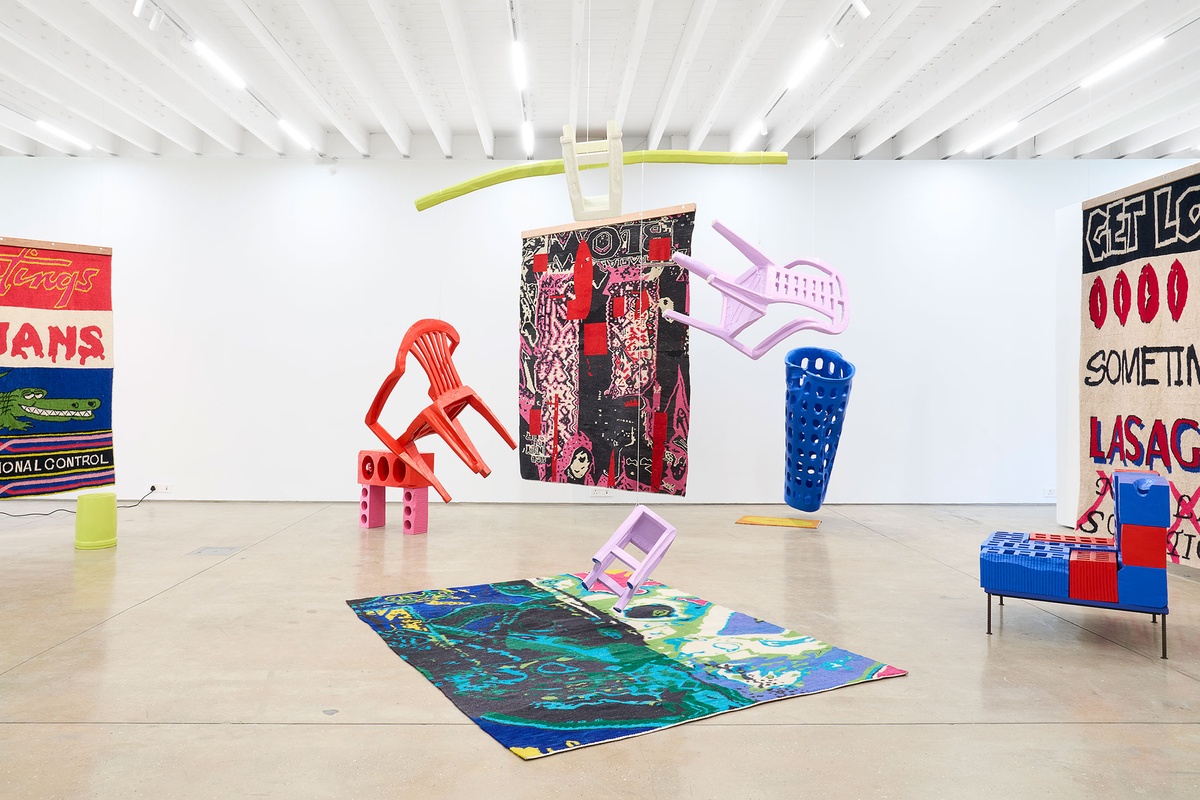
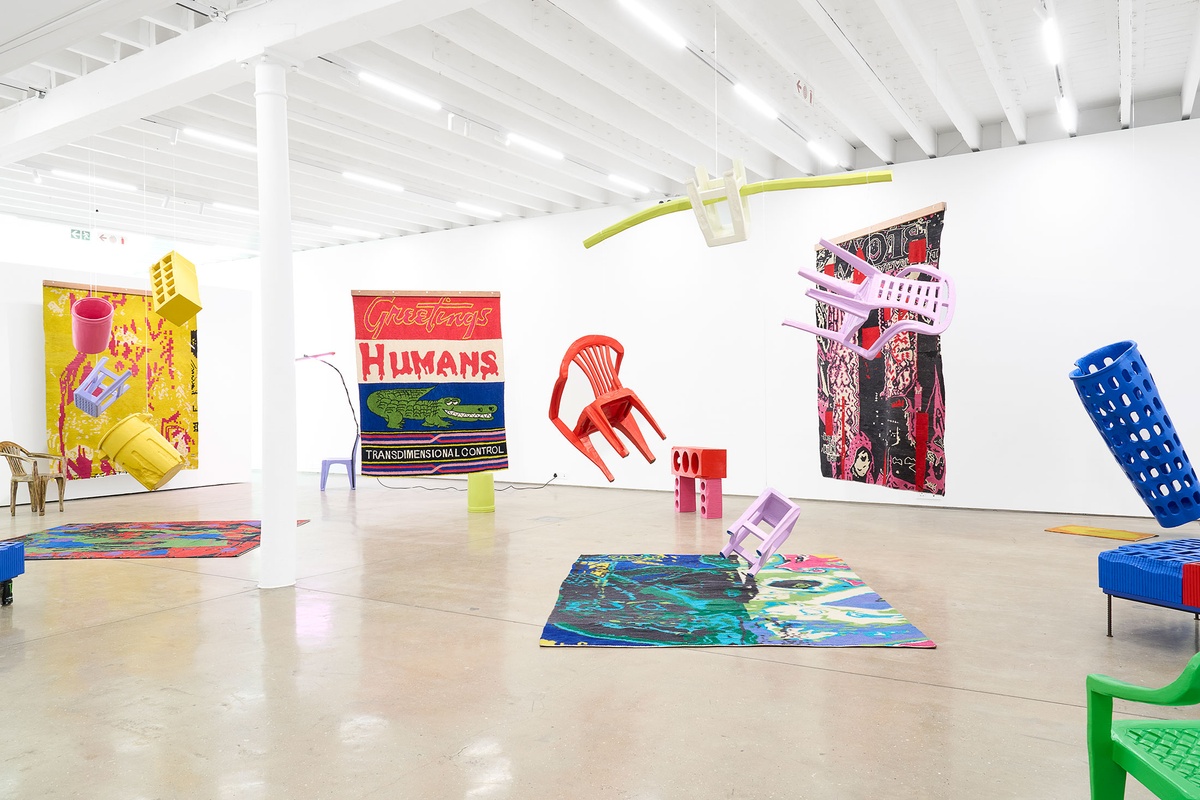
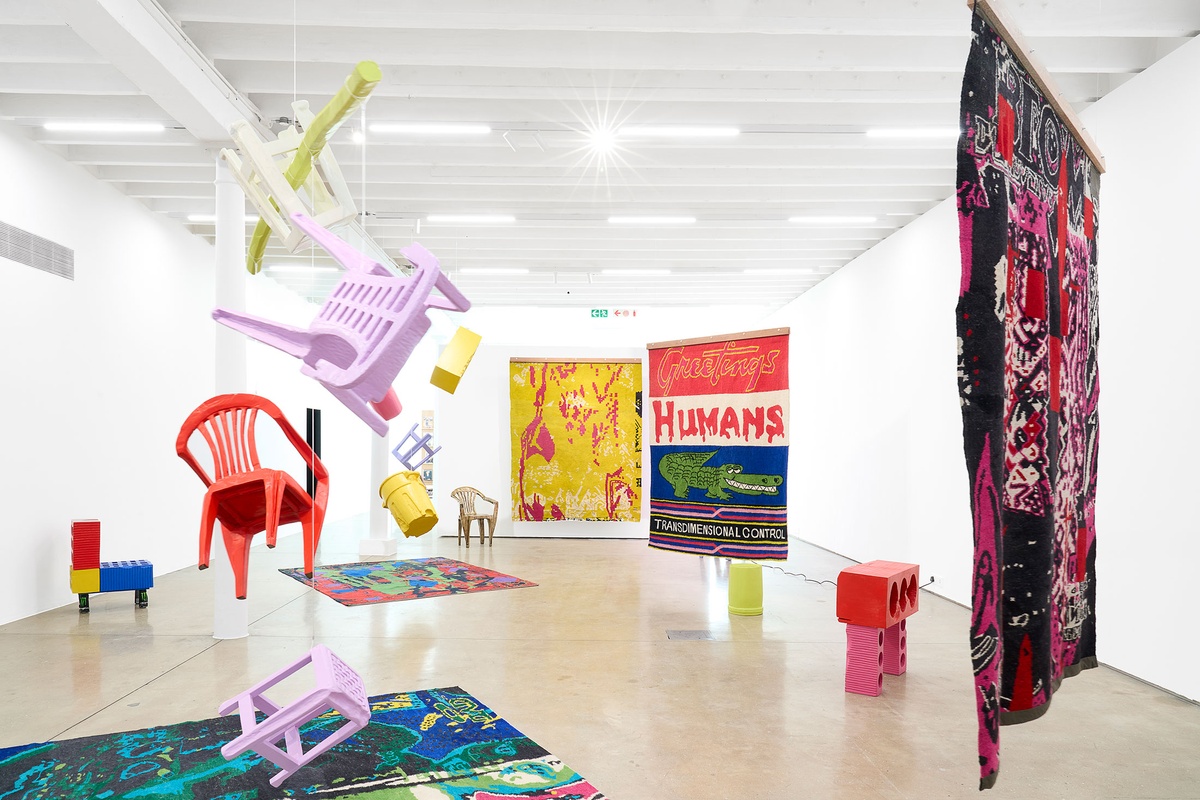
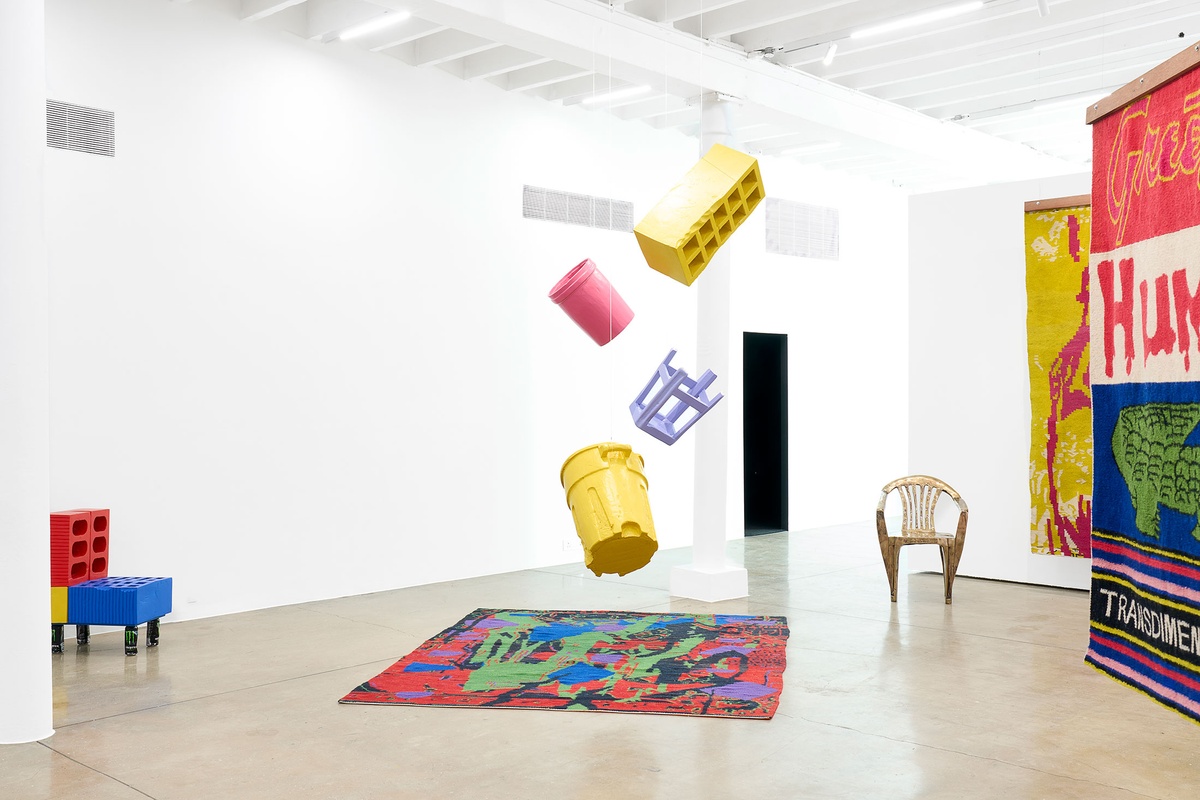
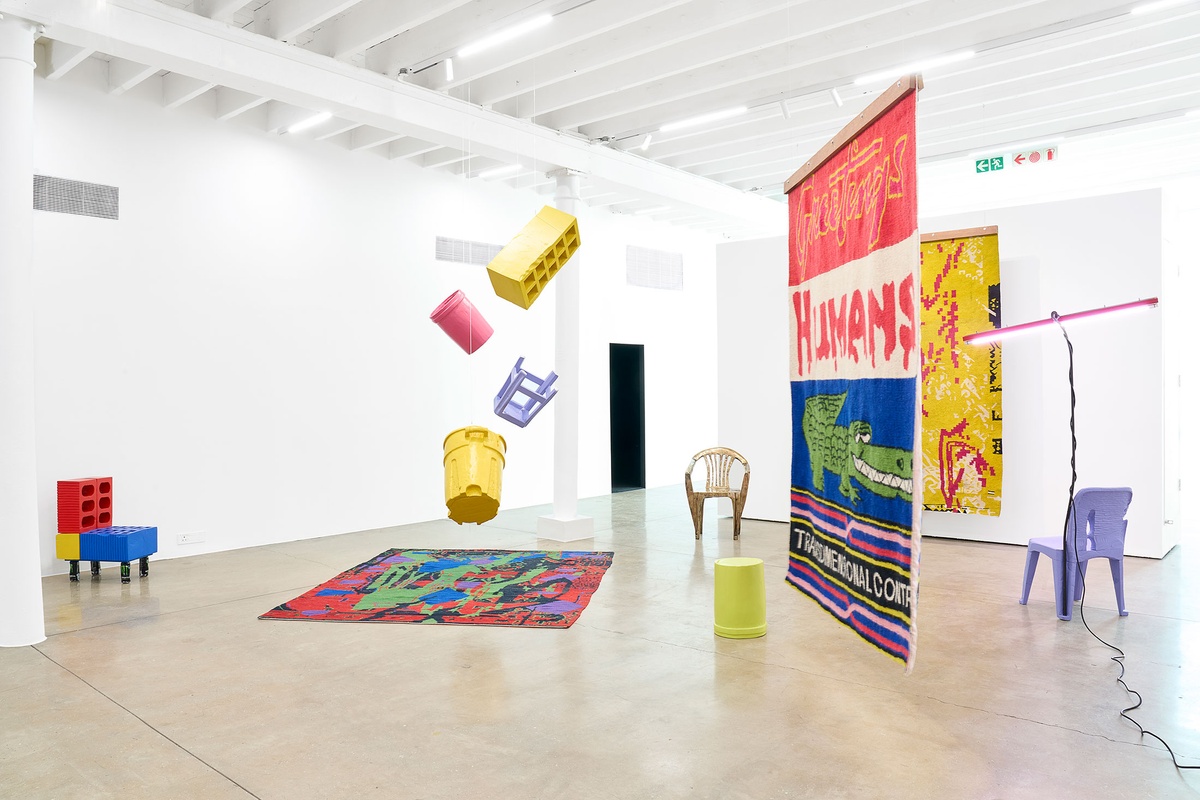
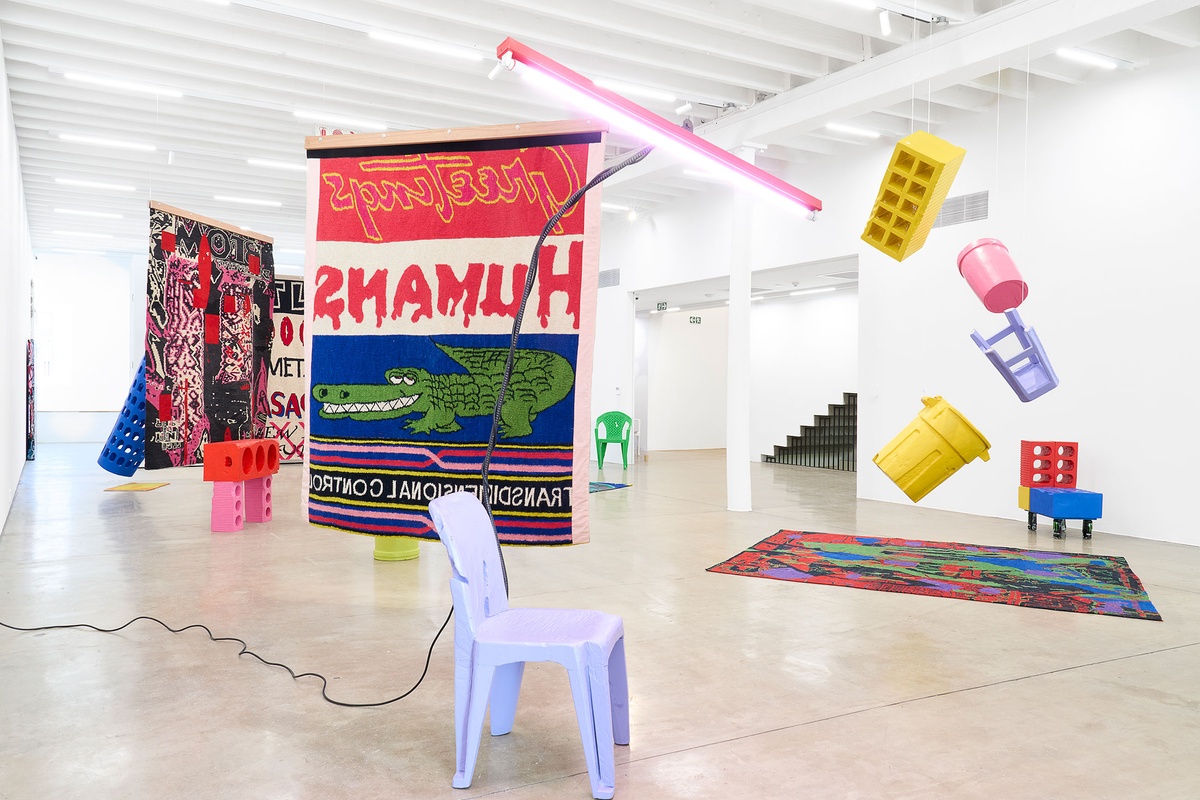
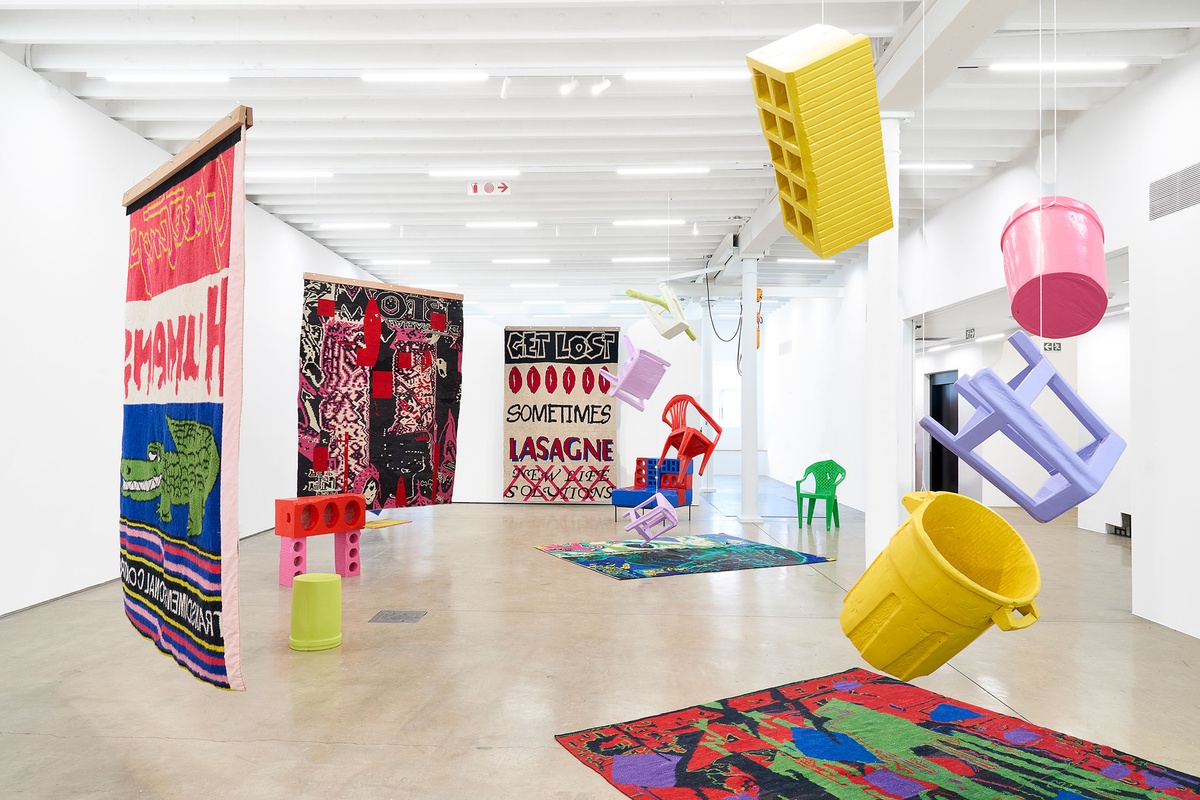
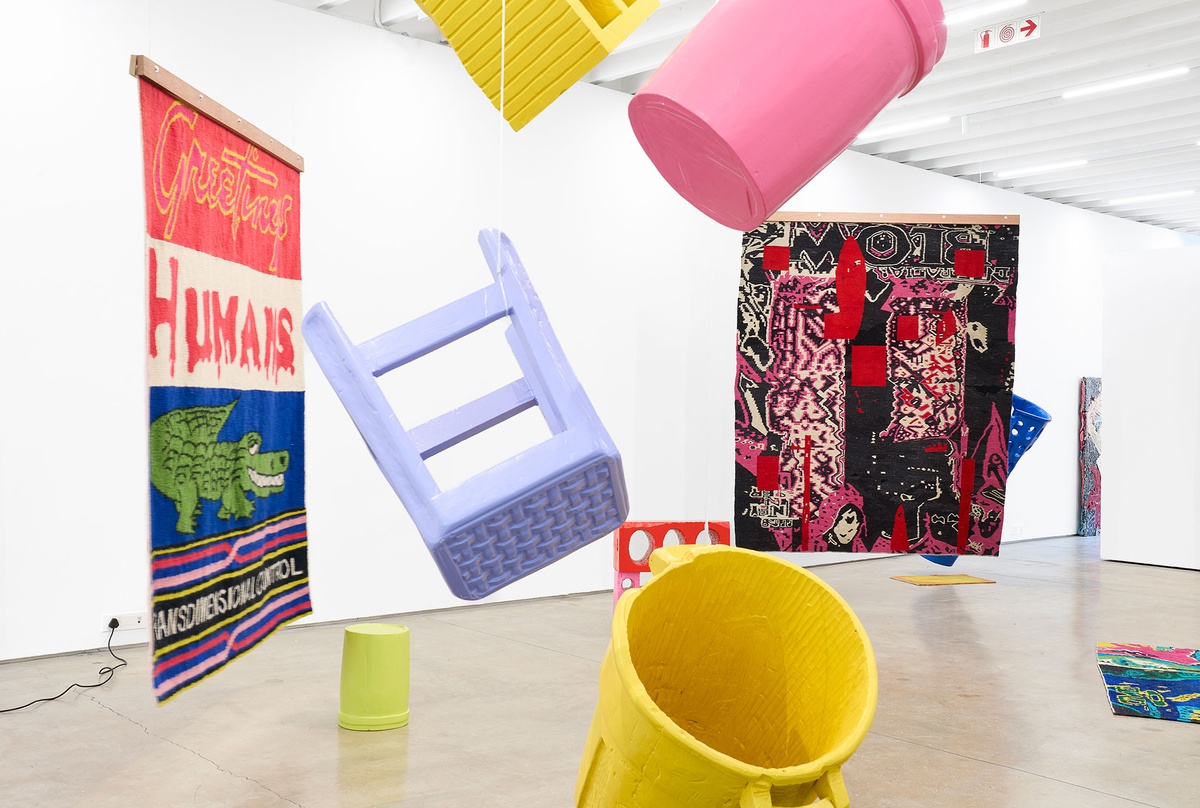
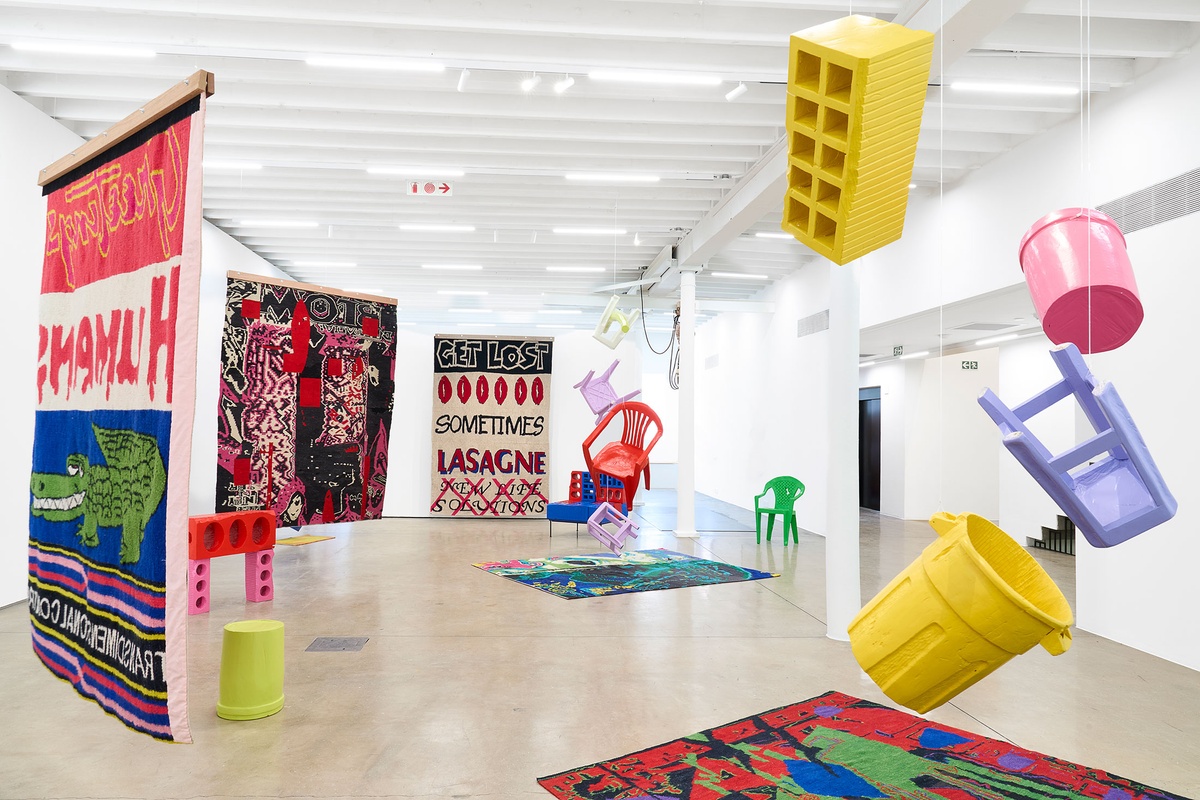
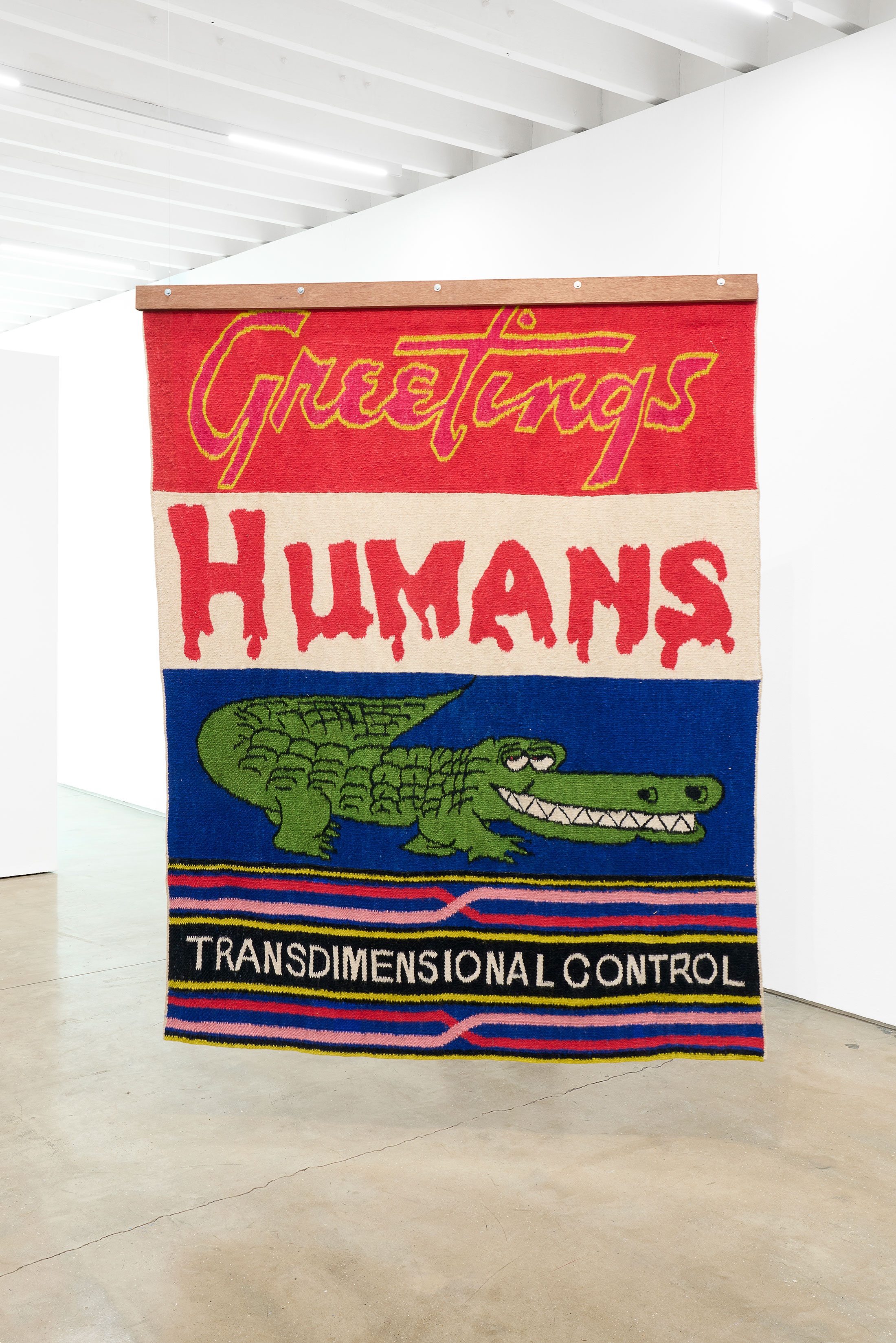
INTERRACIAL LATEX LOVE STORY flashes on-screen. On a wall, the words NEED MONEY are written in red. Beneath a phone number, the tagline ASS 4 U (followed by a friendly reminder – Life is Precious) appears on a poster. This is Cameron Platter, an artist of capital letters and slogans, garish colours and good-bad taste. Some call his work “delinquent,” others “sordid,” and one critic – more generously – “Afro-pop optimism.” Trawling the trash of life, Platter finds an image of South African society in the country’s cultural debris. Loan-shark adverts, flyers for cure-all quack doctors, litter and leftovers; everything proposes itself as subject. Asked to list his thematic concerns, he replies, “therapy, sex, craft, pornography, psychology, excess, trash, food, collage, advertising, drawing, politics, transience, landscape, history, signs, etc., etc.” In Platter’s work, butt plugs are reimagined as modernist sculptures, KFC buckets as contemporary ceramics, and a historic battle from the Anglo-Zulu War of 1879 as a drunken brawl (see The Battle of Rorke’s Drift at Club Dirty Den). All are loud, outrageous, unashamed. Among Platter’s more unorthodox offerings is an animated pornographic film in the style of woodcut – Black Up That White Ass II (2010) – which is, like most of his work, something of a morality tale for twenty-first-century depravity. His recent projects, however, find a sincerer tone, turning towards friendship (as in Studio Ping-Pong, a 2023 collaborative exhibition with fellow artist Georgina Gratrix) and an appreciation for Durban’s suburban icons: plastic chairs, breeze blocks, hot tubs, pool loungers.