Arthur Jafa
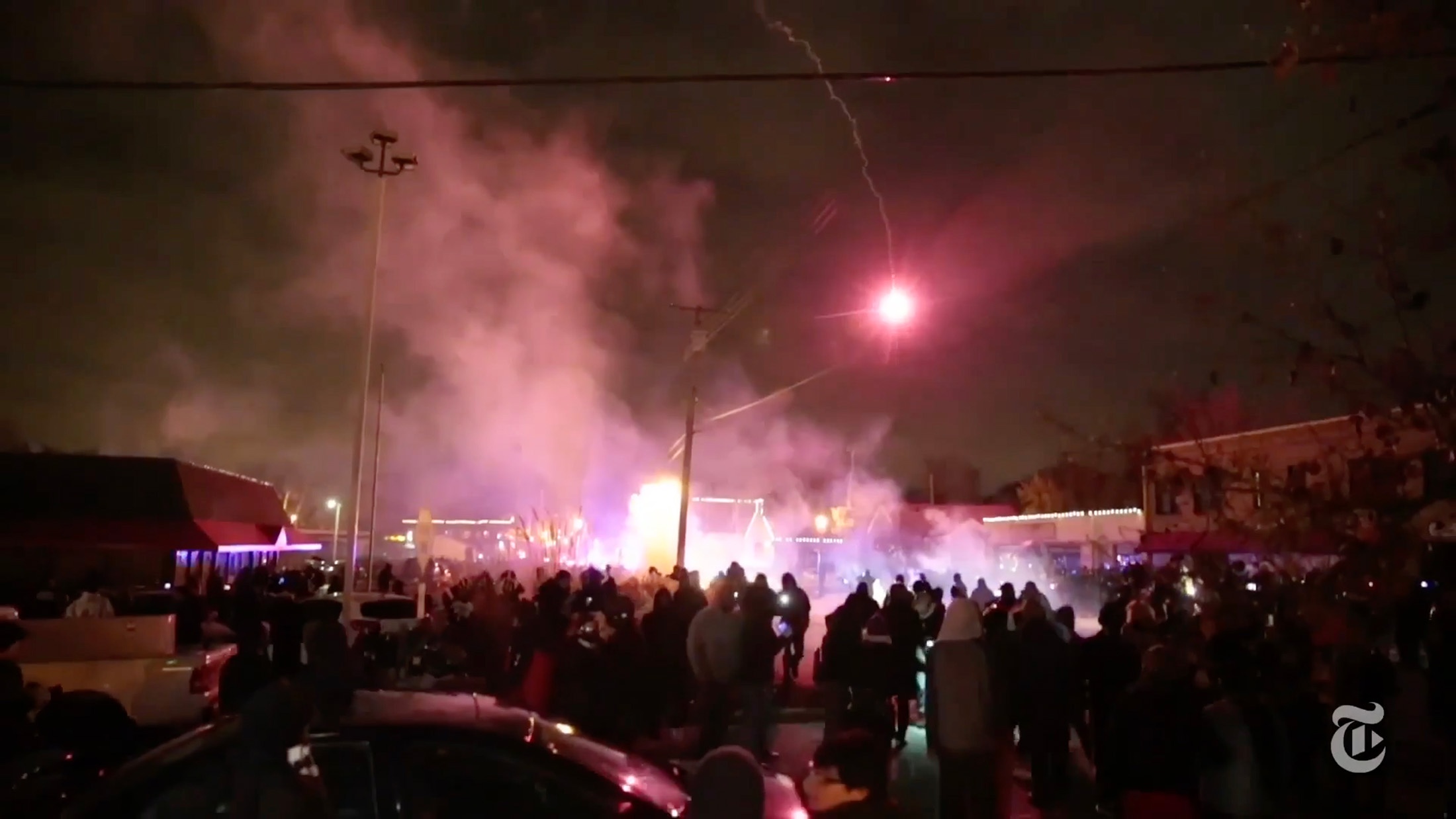
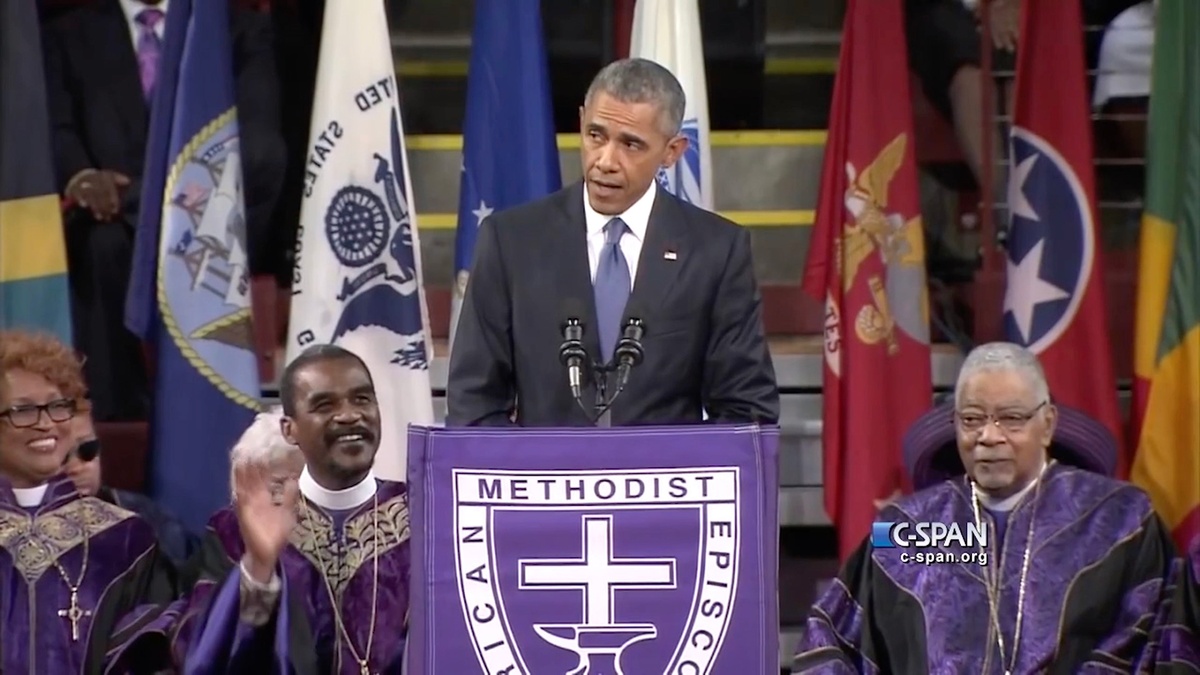
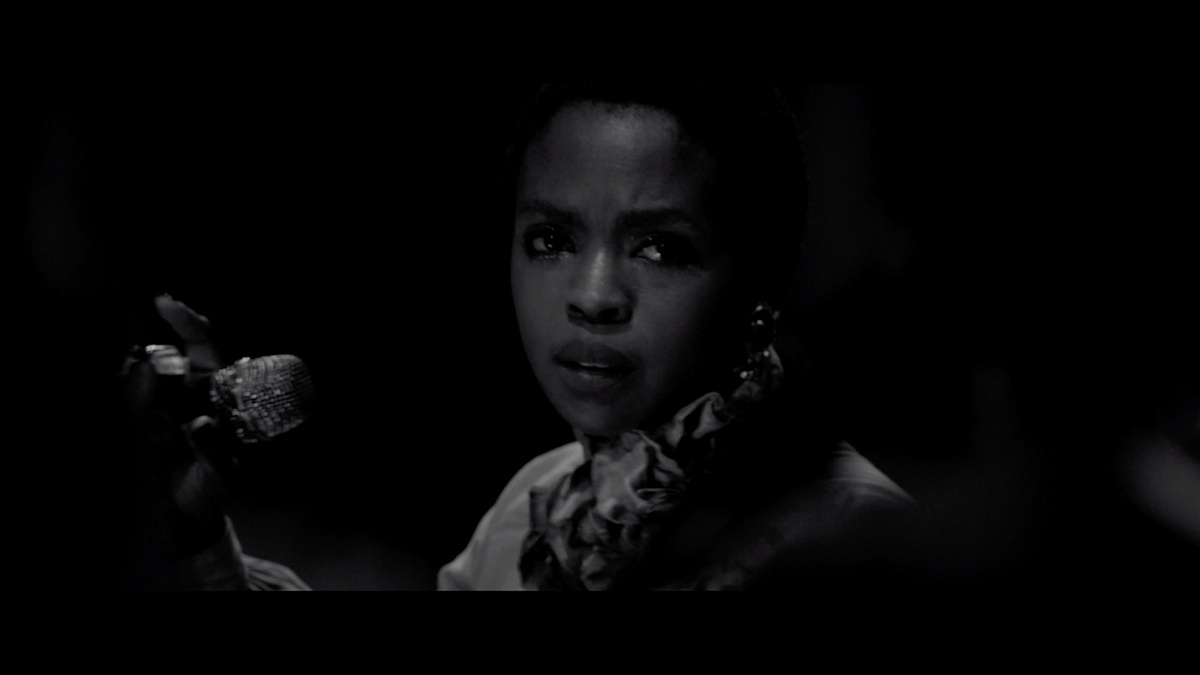
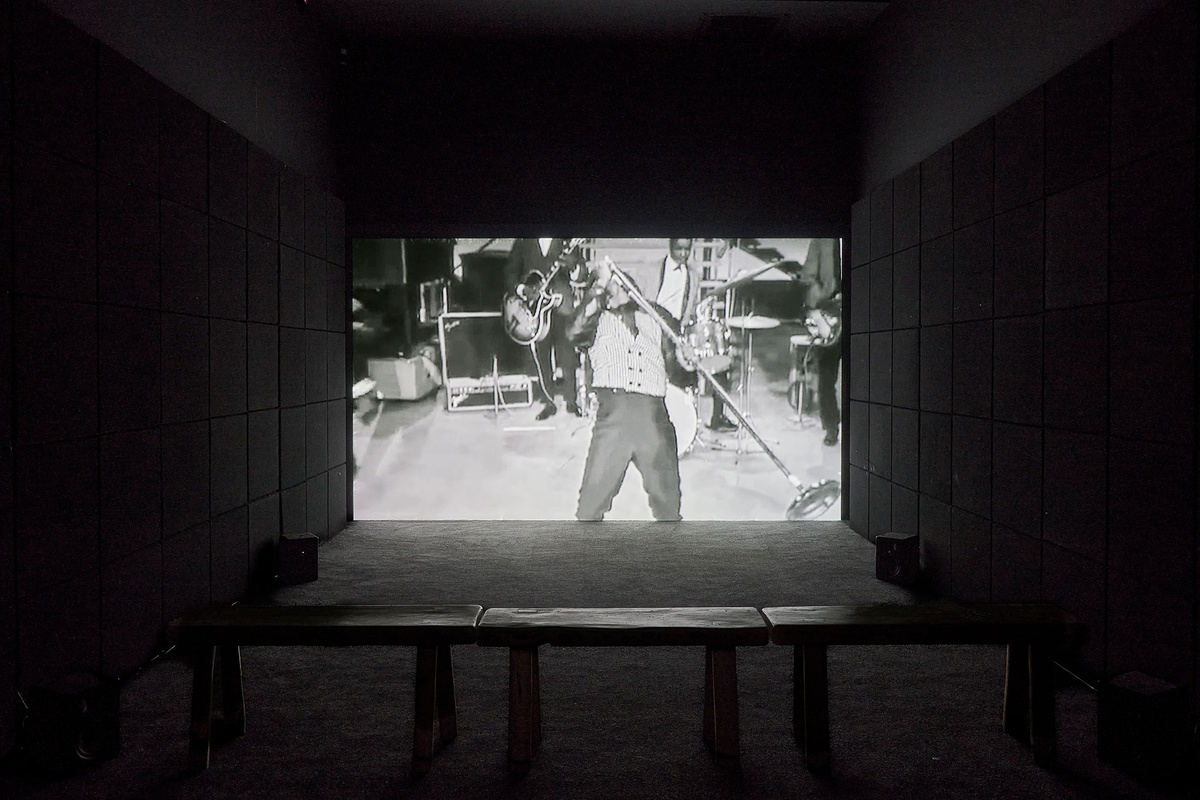
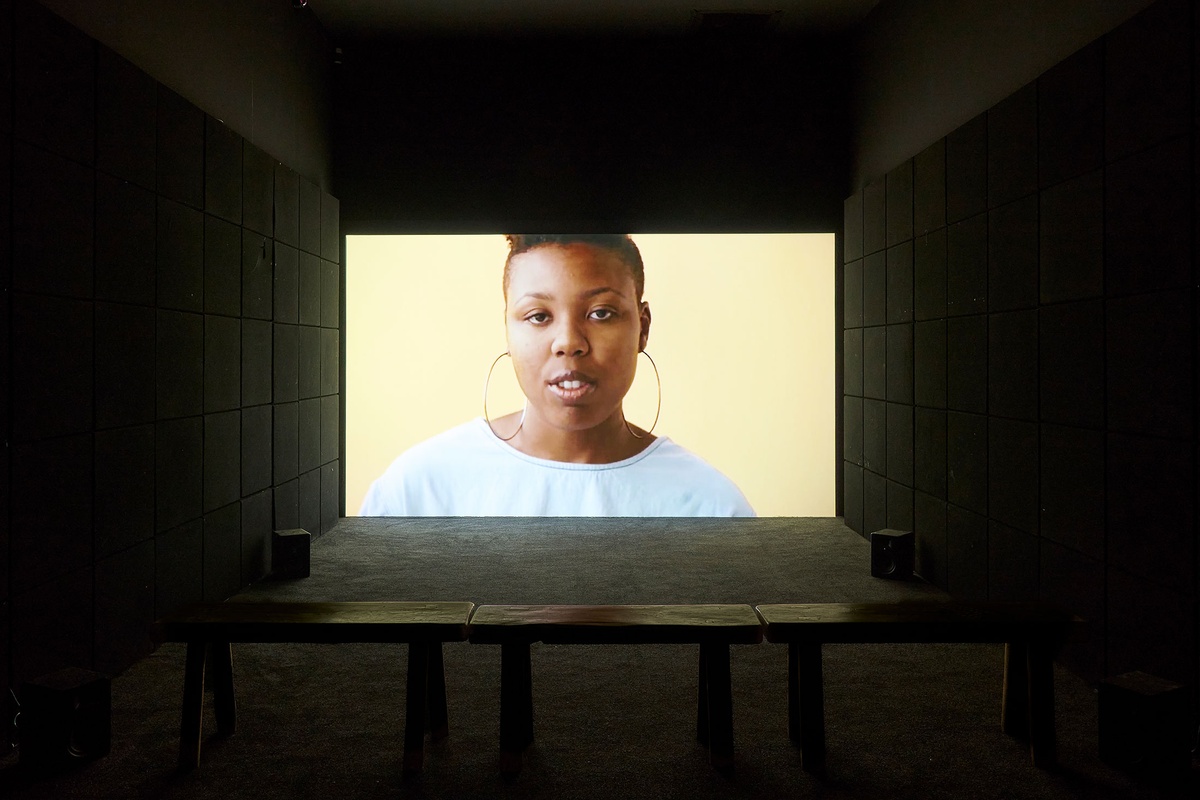
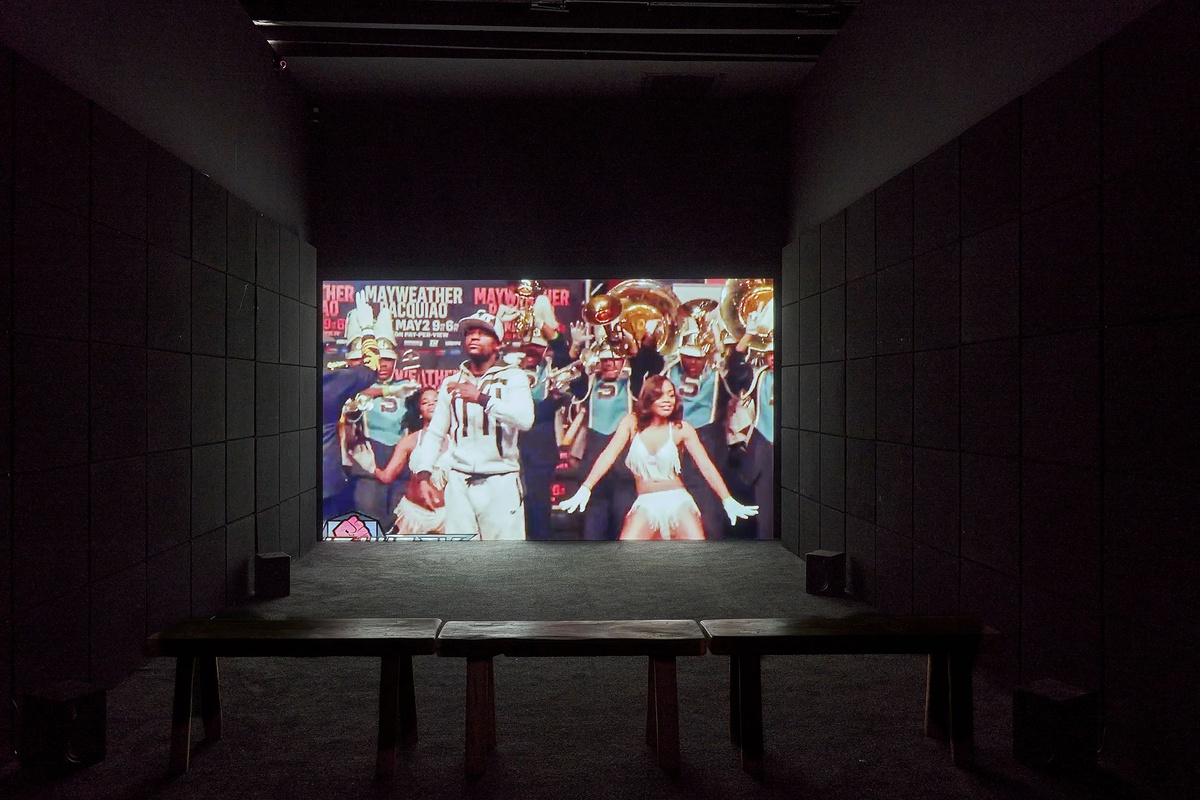
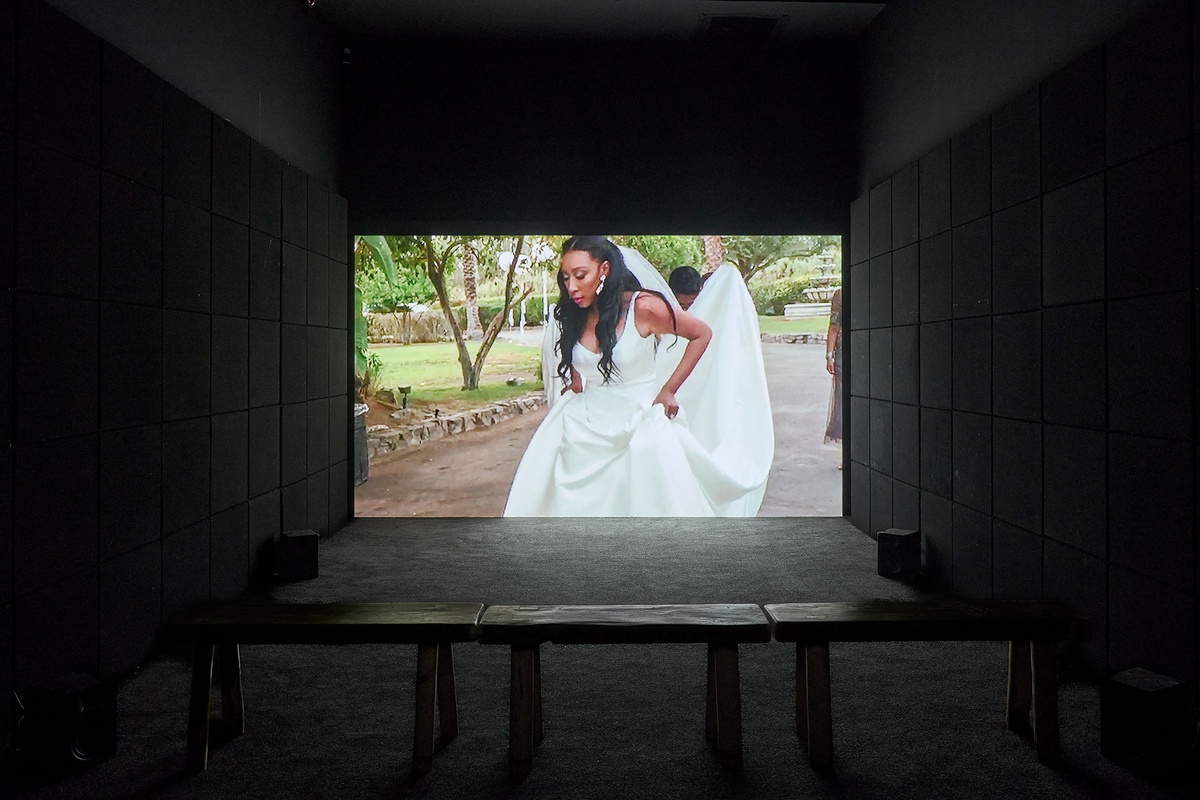
Arthur Jafa’s Love is the Message, The Message is Death enabled lightning-speed institutional collaboration at an unprecedented scale. In solidarity with Black Lives Matter, fifteen prominent art institutions (in the USA and abroad) collaborated to make the video work freely available to stream for 48 hours, between Friday 26 June and Sunday 28 June 2020. Sourced primarily from social media websites, Jafa selects material that either positively or negatively elicits extreme emotional responses or is in danger of being erased. The resulting idiosyncratic selection of found footage dating from late-19th-to early-21st-century America is irrevocably mediated by the internet as a cultural phenomenon. Or, glossed more lyrically in Kanye West’s gospel hip-hop track Ultralight Beam (2016) that overlays the video work: “Let’s make it so free, and the bars so hard. There ain’t one gosh darn part you can’t tweet.” Jafa’s stated ambition is to create a Black Visual Intonation, approximating irregular uses of musical tone from jazz in film, by either replicating or subtracting video frames to make the action it depicts unfold at irregular tempos in turn. To the extent that Love is the Message elevates its content into a rhythmically stylised continuity, it can do so only because the formal elements Jafa uses to structure the work overall were already latent in the more celebratory source material to begin with.
Jafa’s noted ambivalence about the work’s reception – where the emotional intensity of the film sometimes exceeds the viewer’s capacity to ‘listen in’ on the self as one ‘listens in’ on the footage – should give anyone pause in reading the work as straightforwardly celebratory or cynical. Part of its challenge, in other words, is to resist forms of online culture that respond to ambiguity through an overly simplistic lexicon of likes and dislikes, and have little time for what is alien or strange within either the self or the others encountered there. As the alien protagonist from Love Is the Plan, the Plan Is Death (1973), a science fiction short story by James Tiptree Jr. that inspired Jafa, cautions:
He accepted all, perhaps he even felt a strange joy, as I feel it now. In the Plan is joy. But if the plan is wrong?
Opening up a space to live alongside both historical and ongoing forms of trauma, Love is the Message refuses to be wholly defined by them.
b.1960 Tupelo; works in Los Angeles
Claiming found and documentary footage for his work, Arthur Jafa reveals that any ‘official’ record of black life – those of the police, the courts, the schools, the reports – must be reviewed, refitted. Like correcting a false start sets the conditions for an honest game, these enriched historical documents impact the trajectory of the future. The resulting composite, gathered associatively, incorporates material culture, style, sensibility, rhythm, lyric, language and tempo. Jafa is a master of the pause, the unexpected juxtaposition. The artist repositions the African American experience by architecting the trajectory from the inside out, insouciantly asserting the collective right to the ownership of the residue used to construct history. Bringing to light historically contingent forms of subjectivity, rather than simply identities, he responds to the legacies of racial prejudice, drawing an analogy between the failure of humanity to recognise the impact of our actions on the environment and the colonial slave trade’s disregard for human life. The ‘sublime’ Jafa offers is transcendence from the destructive powers of racially motivated violence. Instead of reducing race to a timeless abstract category, the artist convenes a provisional and open-ended collectivity through his use of diverse modes of aesthetic address.