Lovedale’s legacy
Khanya Mashabela
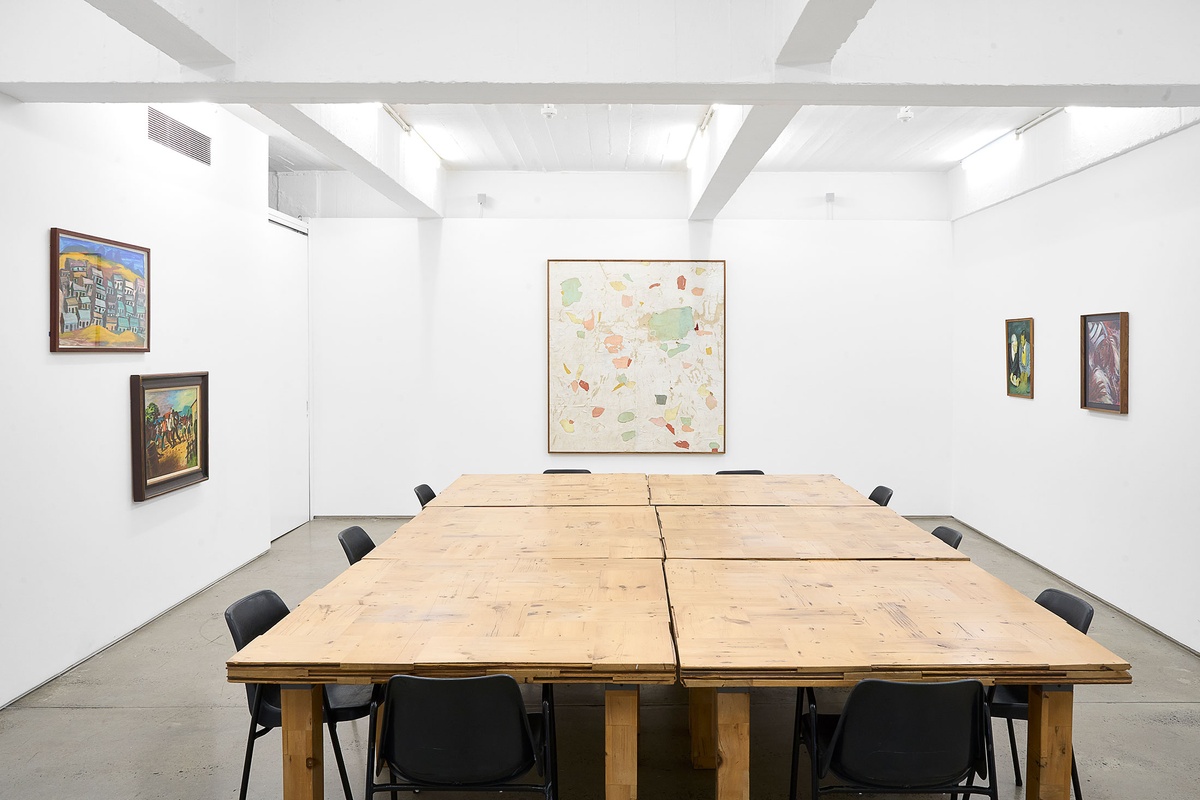
To accompany library resident Sibusiso Mnyanda’s research into the enduring significance of the Lovedale Missionary Institute in South African art history and visual culture from the 19th century to the present, a selection of artworks in the Reading Room reflects on the legacy of the Institute’s college and press. – March 10, 2026
Missionary schools became an unexpected inroad for some of South Africa’s early black Modernist painters.In the 1910s, George Pemba and Gladys Mgudlandlu were both born to Xhosa Christian families in the Eastern Cape. They received their teaching diplomas at Lovedale in 1931 and 1941, respectively.Teaching offered the hope of financial stability and middle-class respectability at a time when the idea of a black professional artist was inconceivable.
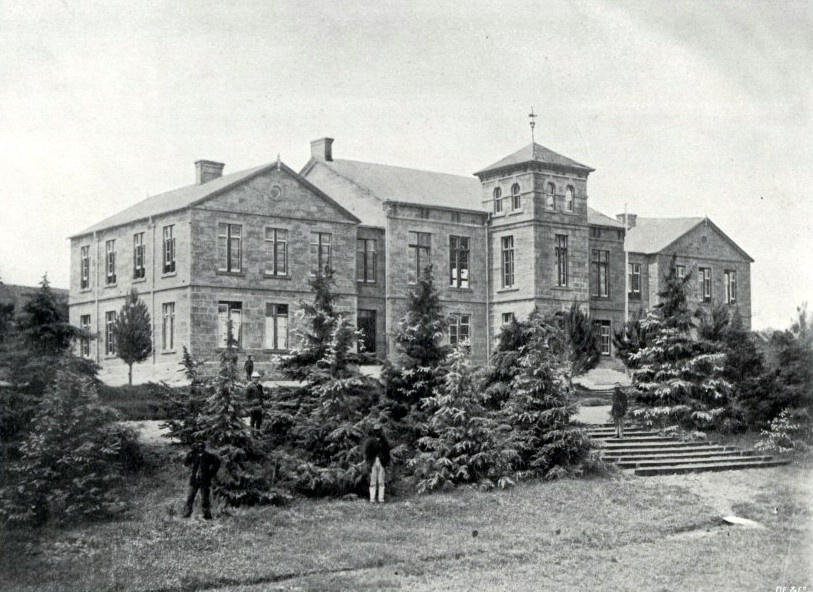
A century earlier in 1823, the Glasgow Missionary Society, stationed on the banks of the Tyhume River, had received one of South Africa’s first printing presses and began producing pamphlets in support of the conversion of the surrounding Xhosa communities.The following year, the Lovedale Missionary Institute was established, and in 1941, Lovedale College opened, offering education to men and women of all races of a quality comparable to that of schools in England.
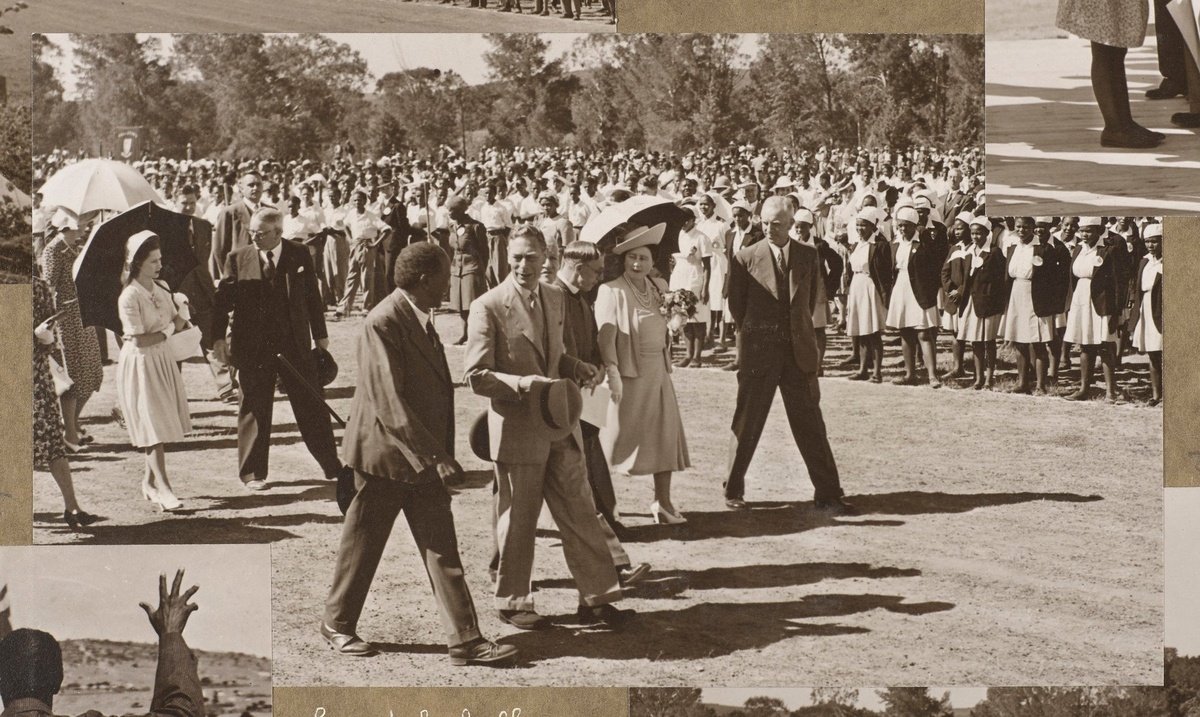
The missionary school system was part of a perceived promise by the British that the growing class of Western-educated black individuals would play an active role in South African governance.This promise of enfranchisement was undercut by the 1910 creation of the Union of South Africa, an alliance between the British- and Afrikaans-controlled colonies that excluded the black population.
In 1913, the Native Land Act severely restricted black land ownership to only seven per cent of the country.This was among the first of the state’s segregationist policies, foreshadowing the implementation of apartheid in 1948.
Awakening on Friday morning, June 20, 1913, the South African native found himself, not actually a slave, but a pariah in the land of his birth.
– Sol T. Plaatje
Plaatje, S.T. (1916) Native Life in South Africa. Alice: Lovedale Press (repub. Cape Town: Picador Africa, 2007).
Relative to its historical significance, Lovedale's legacy is not widely recognised.In addition to founding Victory of the Word (VOW) in 2020, an organisation that aims to platform and revive the Lovedale archive by making it accessible to cultural practitioners, Athi-Patra Ruga highlights its history for new audiences through his art.
In the series ‘The Lunar Songbook’, he tells the story of Nomalizo Khwezi, a heroine loosely based on Noni Jabavu’s autobiography Drawn in Colour (1960) and the many isiXhosa coming-of-age novels produced by the press.
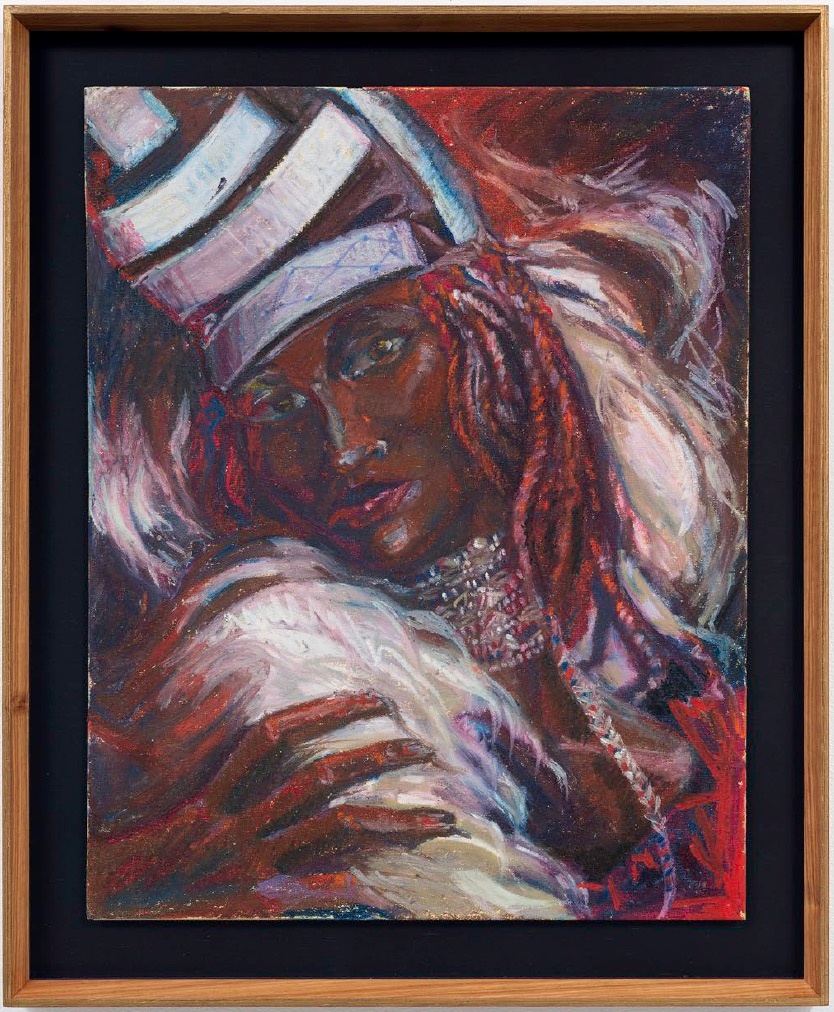
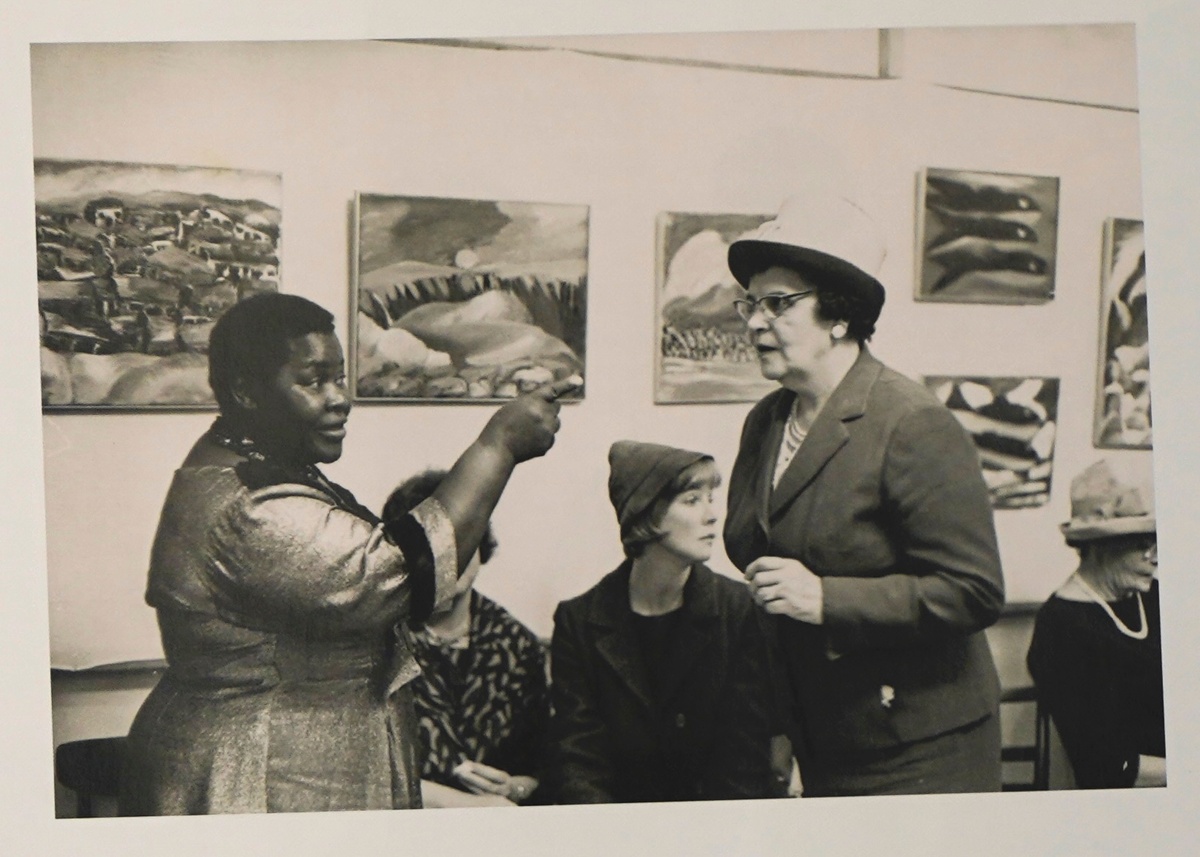
Little is known about Mgudlandlu’s life during her studies, though she later returned to Lovedale and gave a series of lectures on art to students in 1968.Pemba’s time at the college is more thoroughly documented.
While studying, he was hospitalised for a burst appendix. To pass the time, he drew portraits of the doctors, nurses, and patients. Impressed by his work, the matron shared it with Ethel Smythe, an art teacher at the University of Fort Hare. Smythe offered Pemba a five-week course – his first formal art training.
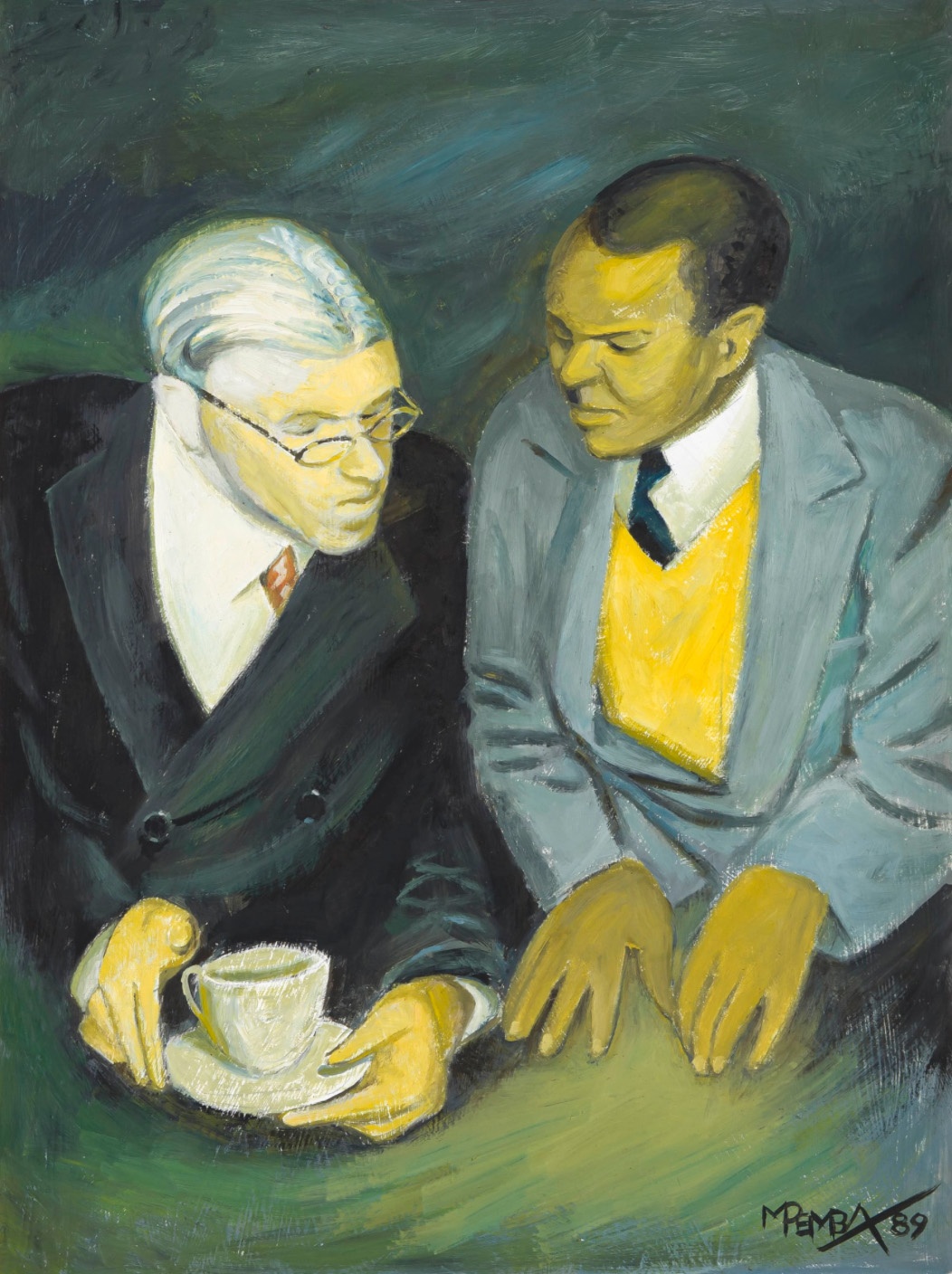
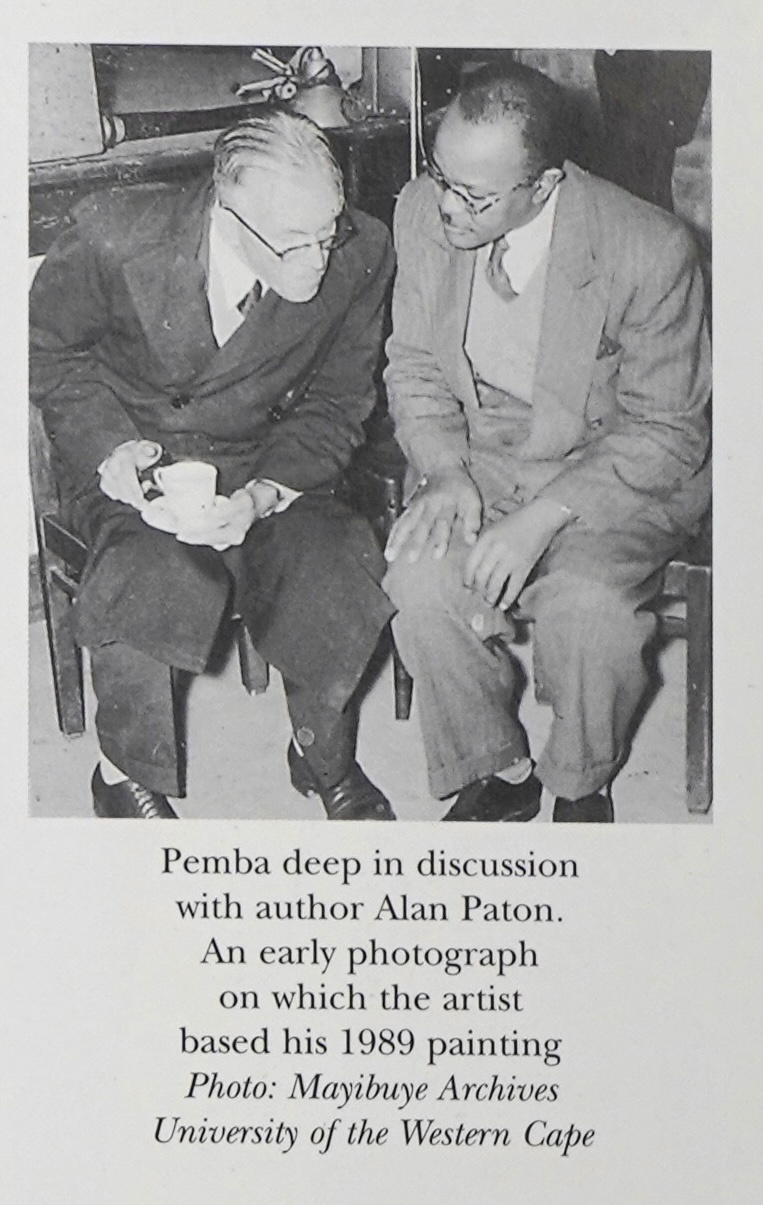
Pemba also gained the friendship and support of the Director of Publications at Lovedale Press, R.H.W. Shepherd.About Shepherd, Pemba said:
Ibid.
He always liked me – I felt that we were friends and of all the people I have known, he helped me the most – encouraging me and finding me work.Even after he found a permanent teaching position, Pemba took on illustration commissions. Perhaps this work contributed to the narrative quality of his paintings and his love of literature.
Ibid.
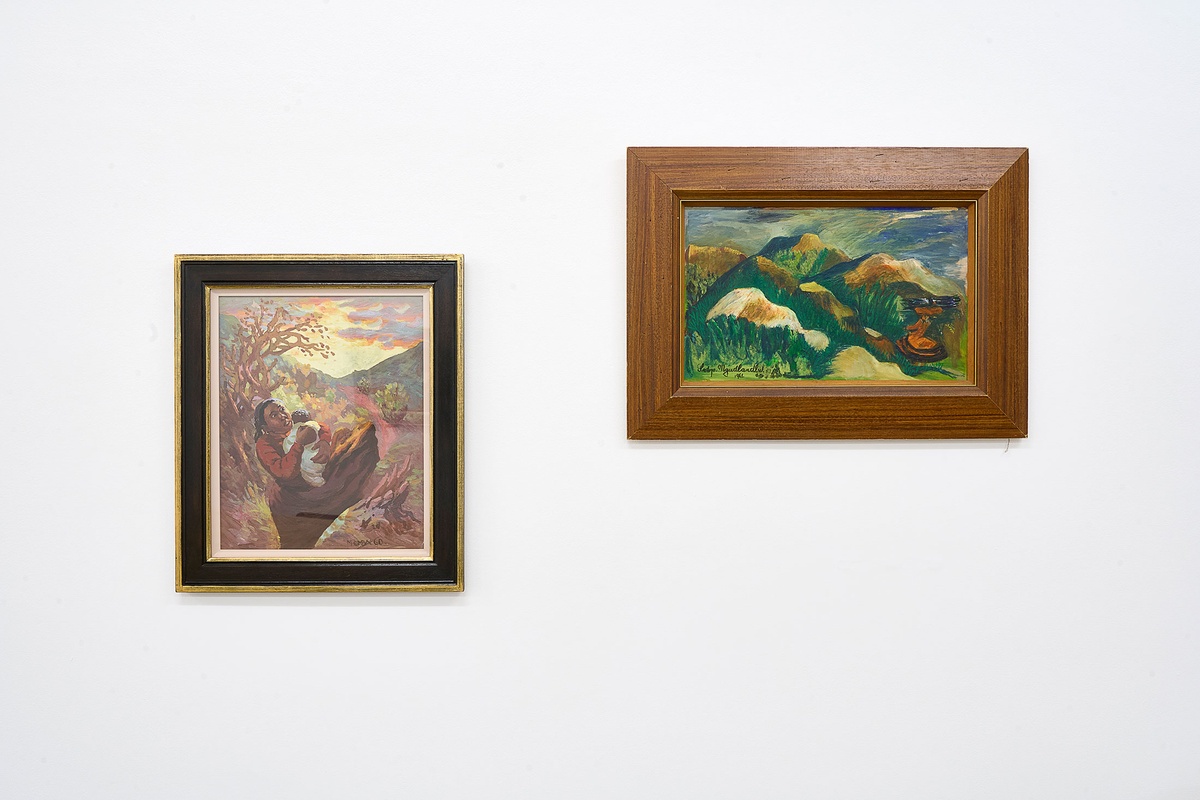
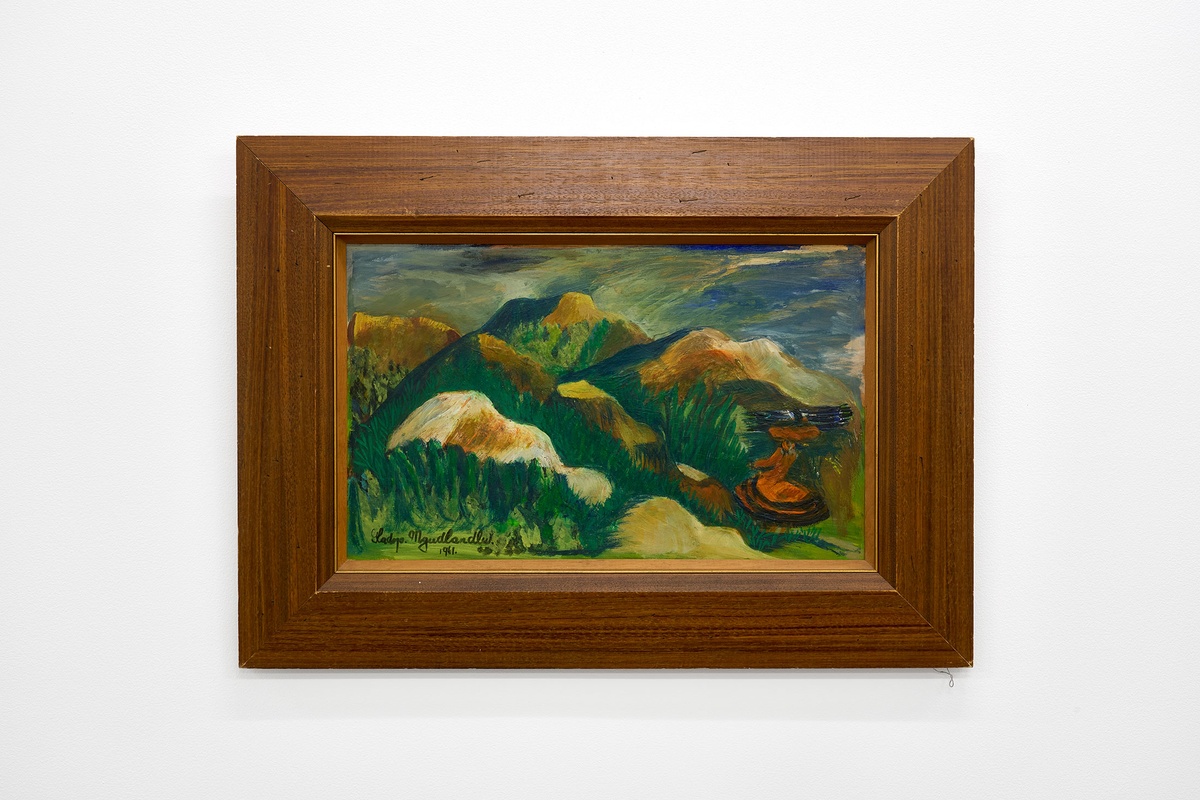
Both artists’ early artworks were primarily of the South African countryside.Mgudlandlu painted landscapes and portraits inspired by her childhood memories of life in Peddie.Pemba travelled throughout the country by motorcycle in the 1940s, depicting rural communities and the oral histories that they shared with him.
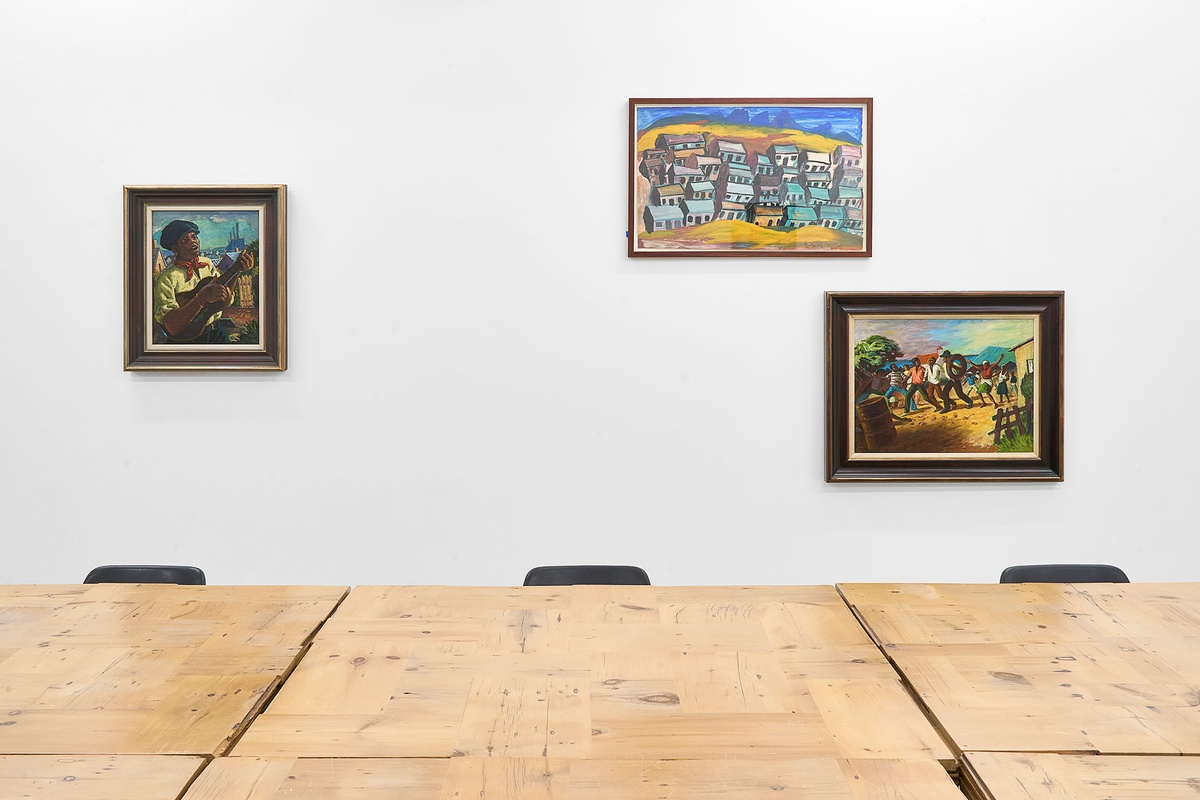
In the 1960s, after moving to Cape Town and then being forcibly removed from Rylands to Nyanga township, Mgudlandlu’s paintings began to express the claustrophobia and bleakness of living conditions for black people.This aesthetic turn was reportedly encouraged by Ray Alexander Simons, trade unionist, anti-apartheid activist, and co-founder of the Federation of South African Women.Mgudlandlu held her first exhibition in the offices of the Liberal Party in 1961.
Miles, E. (2003) Nomfanekiso Who Paints at Night: The Art of Gladys Mgudlandlu, p. 20. Johannesburg: Fernwood Press & Johannesburg Art Gallery.
Miles, E. (2003) Nomfanekiso Who Paints at Night: The Art of Gladys Mgudlandlu, p. 20. Johannesburg: Fernwood Press & Johannesburg Art Gallery.
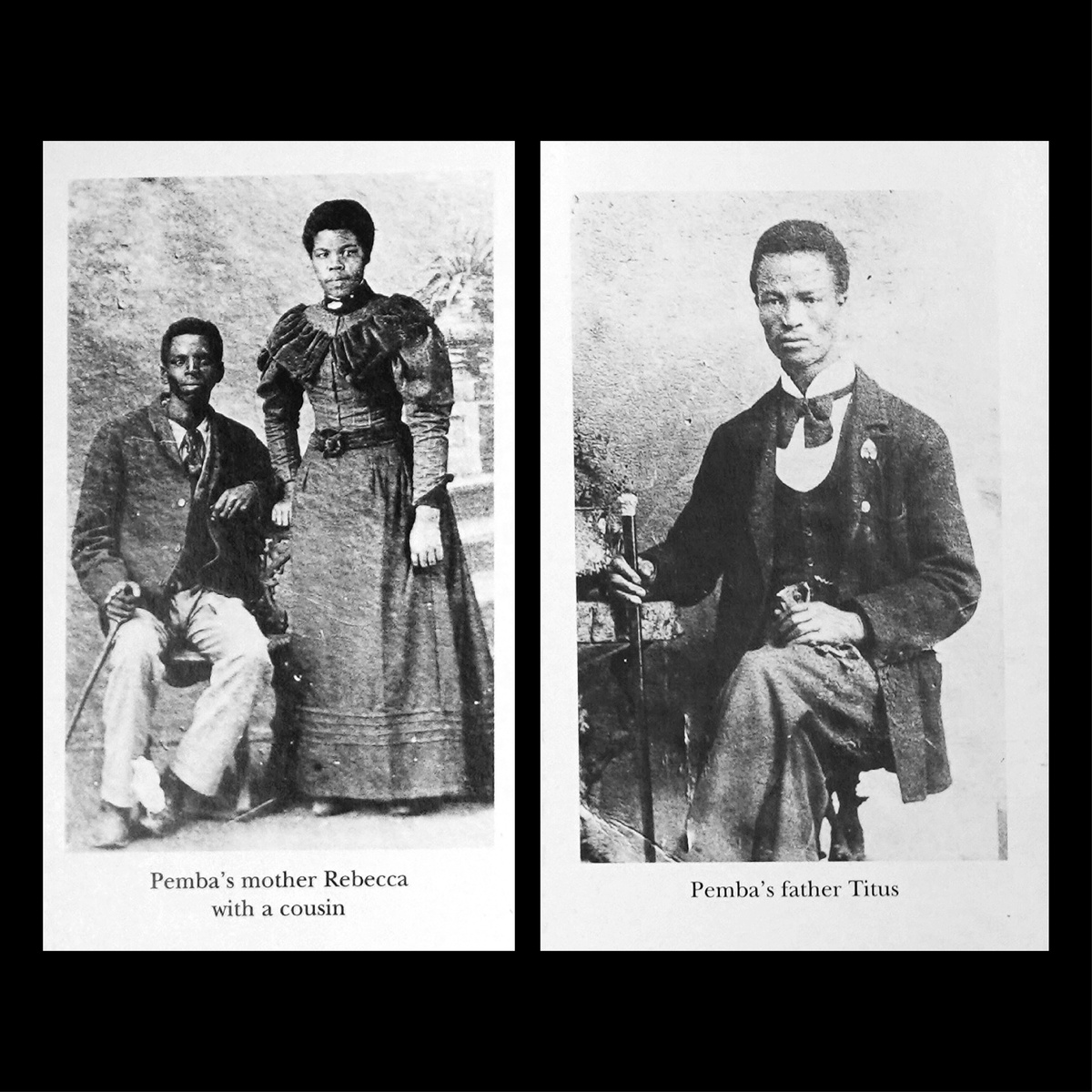
Pemba returned to the Eastern Cape and settled in New Brighton on the outskirts of Port Elizabeth, where he operated a spaza shop for many years, finding “inspiration for his work from the joys and sorrows of township life.”During the 1970s, he was deeply affected by events in the news and in his personal life: the 1976 Soweto student uprising; the killing of Steve Biko in 1977; the political detention of his 16-year-old grandchild Bonakele, only a month after Biko’s murder.The brutality of apartheid began to figure more directly in his work.
Hudleston, S. (1996) Against All Odds: George Milwa Mnyaluza Pemba, p. 63.
Hudleston, S. (1996) Against All Odds: George Milwa Mnyaluza Pemba, p. 63.
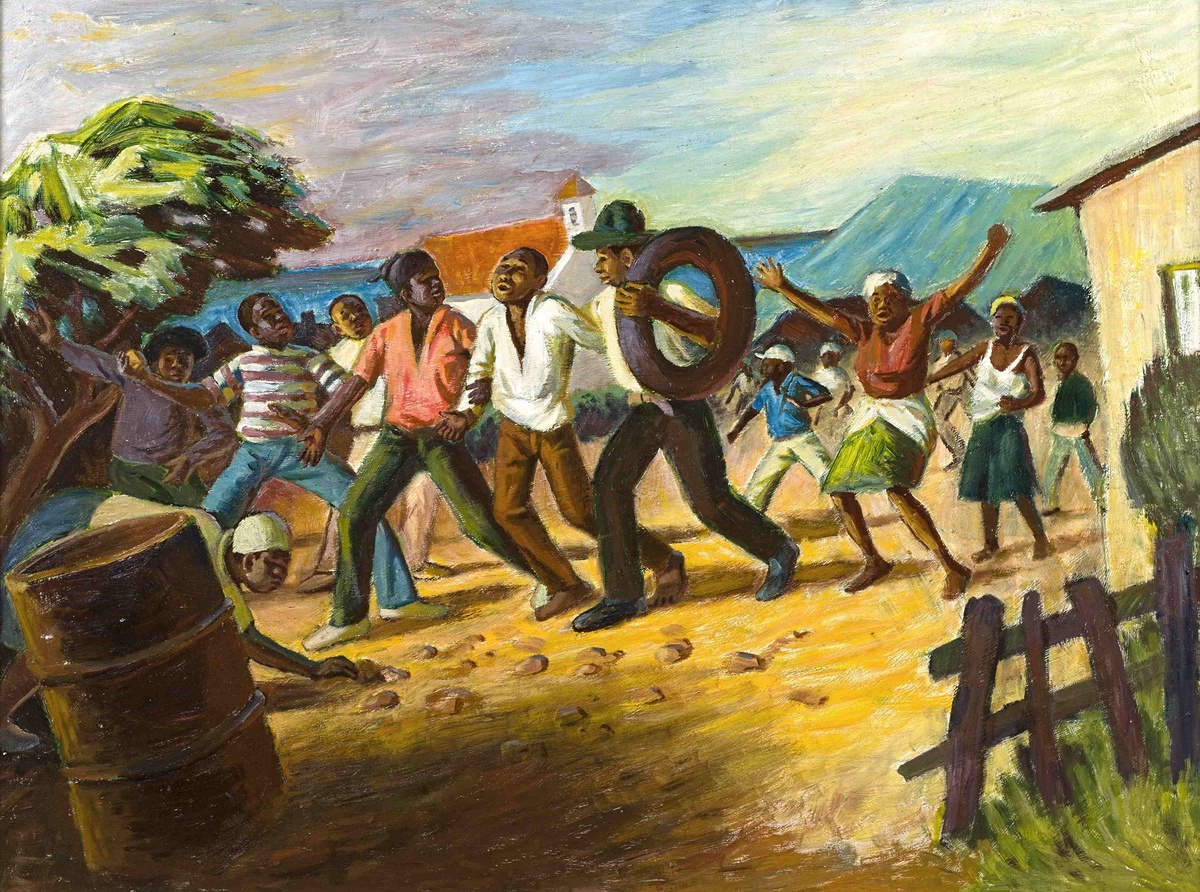
Mr. Pemba, like all African creators, is deeply interested in and very proud of our indigenous culture. He believes that in our tribal form of life, lie subjects for great art.
But he also believes that an artist must be well versed in the political, social and economic problems of the contemporary scene so that he can express his feelings, aspirations and will of the people.– Herbert Dhlomo, poet and a founding figure of South African literature.
Hudleston, S. (1996) Against All Odds: George Milwa Mnyaluza Pemba, p. 47.
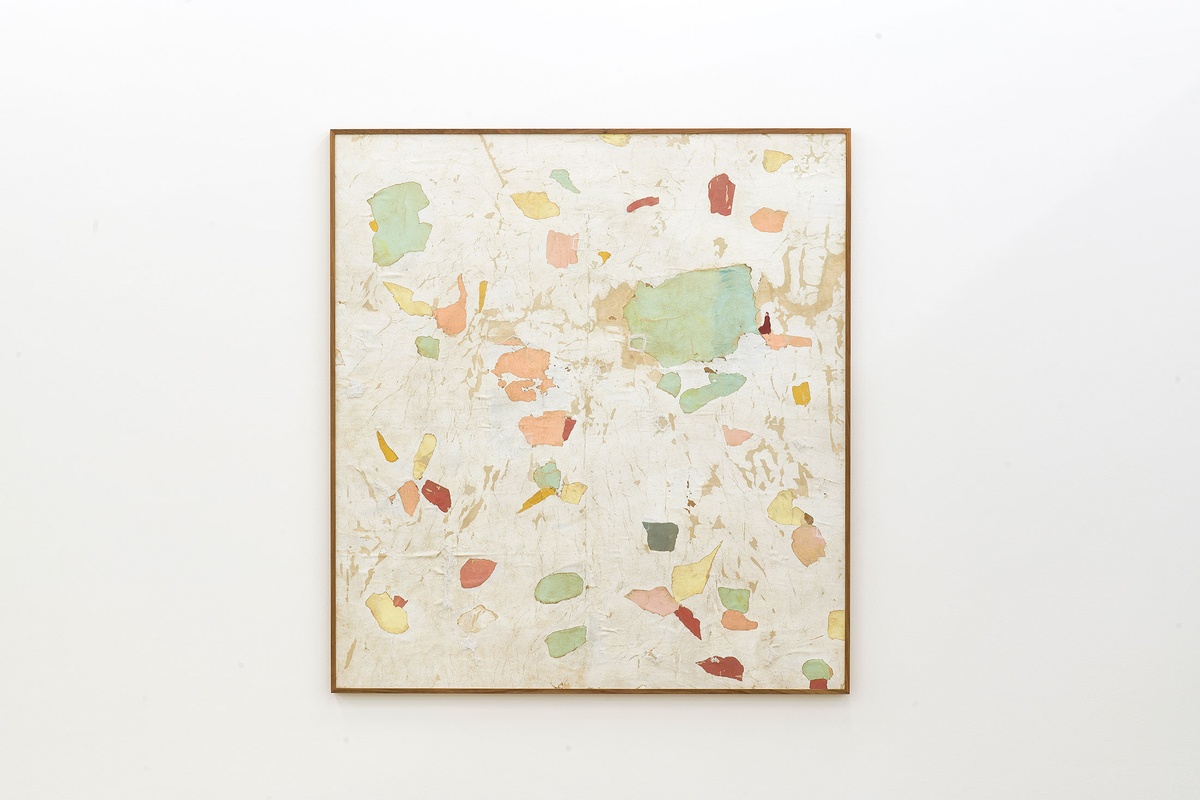
Though ultimately a work of abstraction, Asemahle Ntlonti’s mixed media painting Emaphandleni (2022) is inspired by her family’s homestead in the rural Eastern Cape. Beneath the crumbling whitewash, we see more vibrant hues: blue-green, earthy red, pale pink and yellow, symbolic of a long history of maintenance and care.
The painting’s context and its expressions of unearthing resonate with the archival work of Sibusiso Mnyanda, Head of Curatorial Research at VOW.Mnyanda was born in Alice (formerly Lovedale, renamed Dikeni in 2016). Like Ntlonti, he is partly motivated by personal history.
The trajectory of Lovedale and its artistic alumni corresponds with South Africa’s broader history. They are non-linear and characterised by periods of simultaneous despair and hope.
During his residency in A4's Library, Mnyanda looked closely at these paintings, as well as photographic studio portraiture in the 19th century, attempting to articulate a more nuanced story of colonialism and its aftermath.
BibliographyHudleston, S. (1996) Against All Odds: George Milwa Mnyaluza Pemba. Johannesburg: Jonathan Ball Publishers. A4 LibraryMiles, E. (2003) Nomfanekiso Who Paints at Night: The Art of Gladys Mgudlandlu. Johannesburg: Fernwood Press & Johannesburg Art Gallery. A4 LibraryPlaatje, S.T. (1916) Native Life in South Africa. Alice: Lovedale Press (repub. Cape Town: Picador Africa, 2007). A4 Library